Launch Report: New Renault Clio looks to forge its own path
22 December 2025
The new Renault Clio is not just fighting the competition for buyers, but also other models in the carmaker’s portfolio. Does it have what it takes to enhance the reputation of the Clio name? Autovista24 special content editor, Phil Curry, reviews the model alongside regional experts.
The Renault Clio has been a mainstay of the automotive market for decades. It has built a reputation as a fun and reliable hatchback, which has stood the test of time while others have faded from view.
With the European small-car market growing once again, Renault recently unveiled its sixth-generation Clio. The new model offers more than just a facelift, complete with a refreshed design philosophy, and backed up by a new powertrain lineup.
However, with competition coming from the all-electric Renault 5 and Renault 4, can the Clio utilise its previous success to draw in buyers?
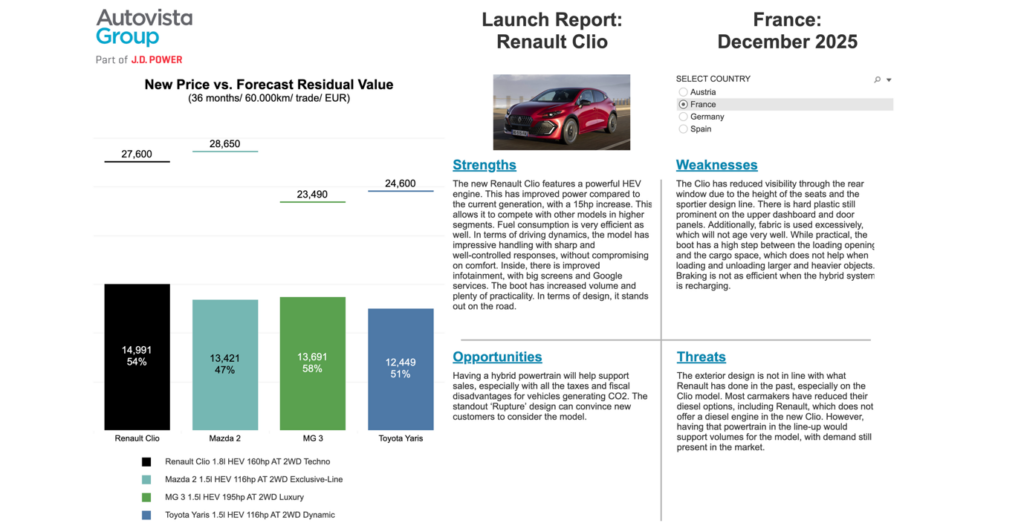
Autovista24’s latest Launch Report benchmarks the Renault Clio against its key competitors in Austria, France, Germany and Spain. Regional experts also provide a breakdown of the car’s strengths, weaknesses, opportunities and threats.
Renault Clio goes bold
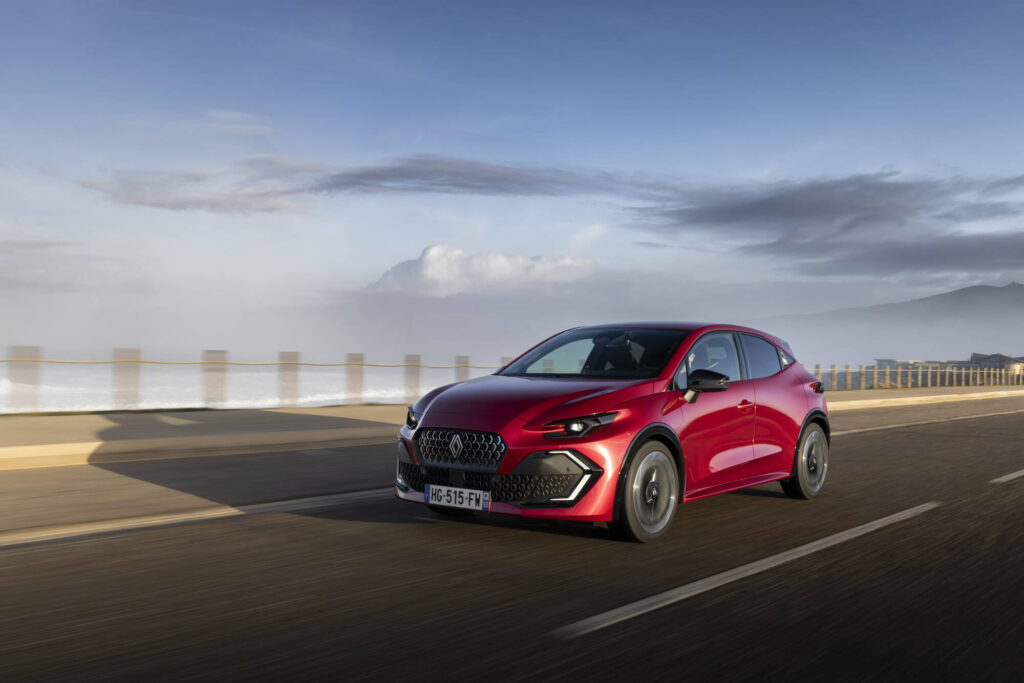
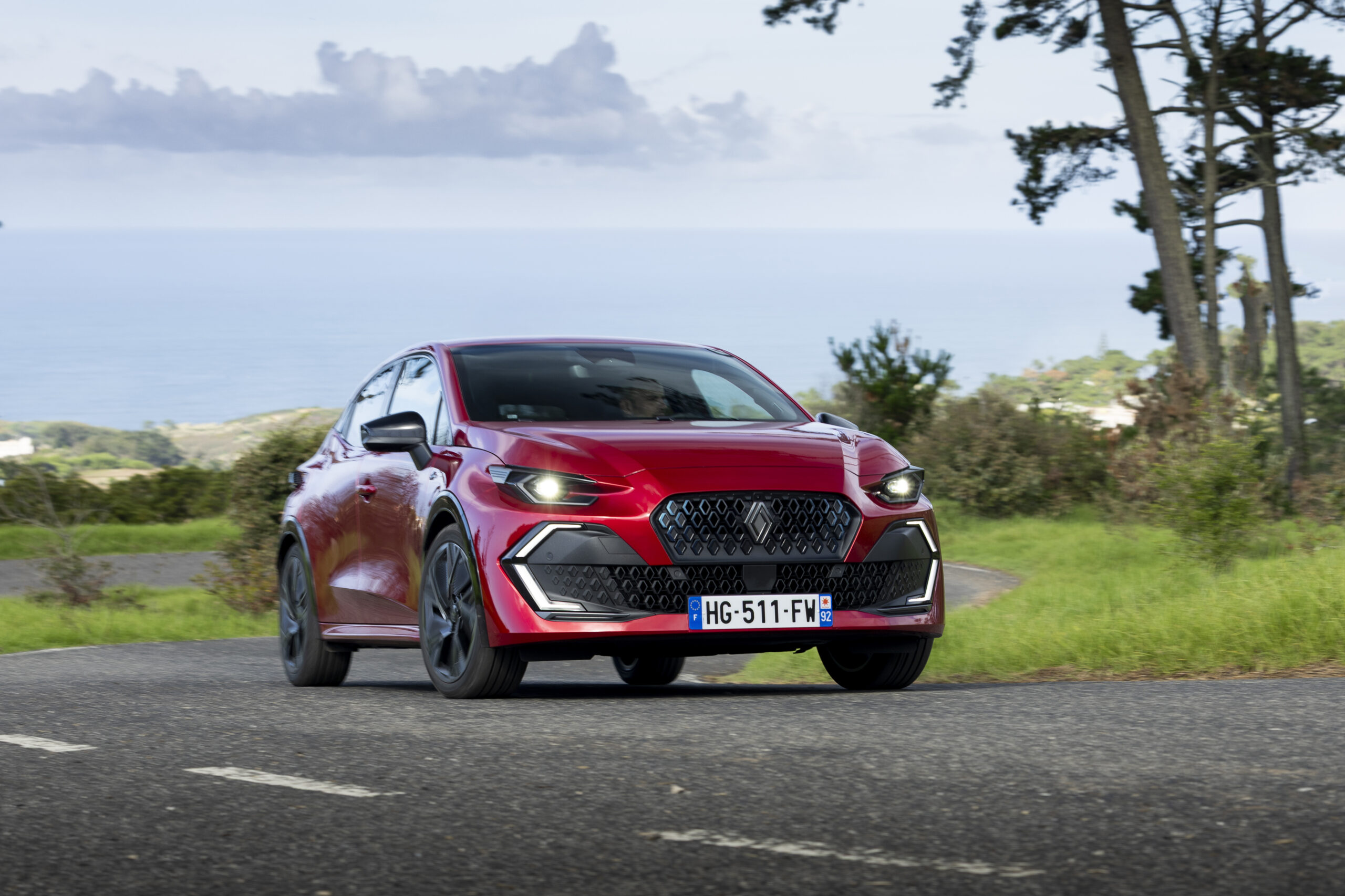
Renault is not playing it safe with its sixth-generation of the Clio. This new model possesses a whole new exterior design, with a bold look that differs from the ‘retro’ philosophy of the Renault 5 and Renault 4.
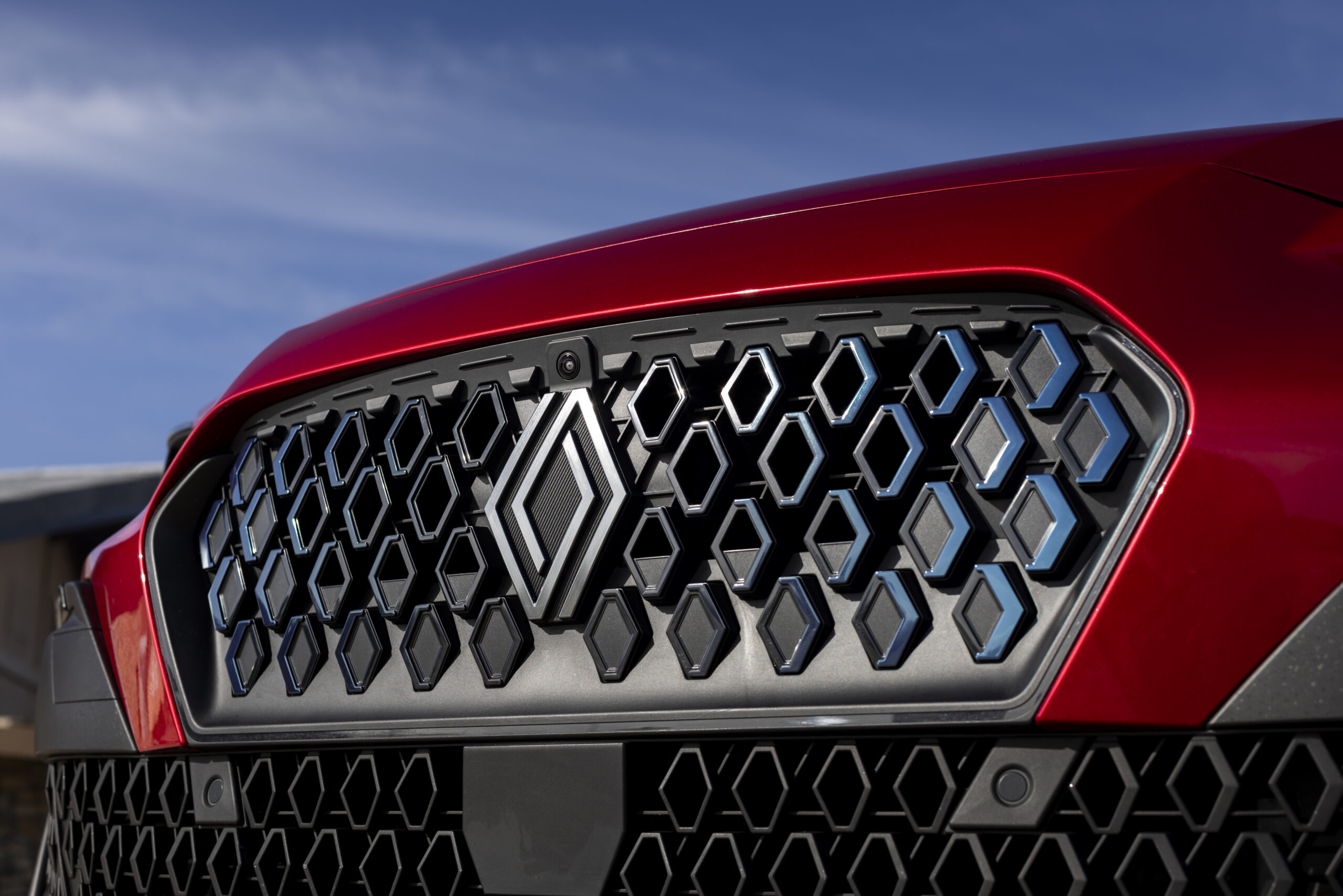
Instead, the Clio features a drooping front end, with a pronounced central bonnet section flowing down into the front grill. The narrow headlights are subtly blended within the design, while the big, angular running lights provide a strong visual impact.
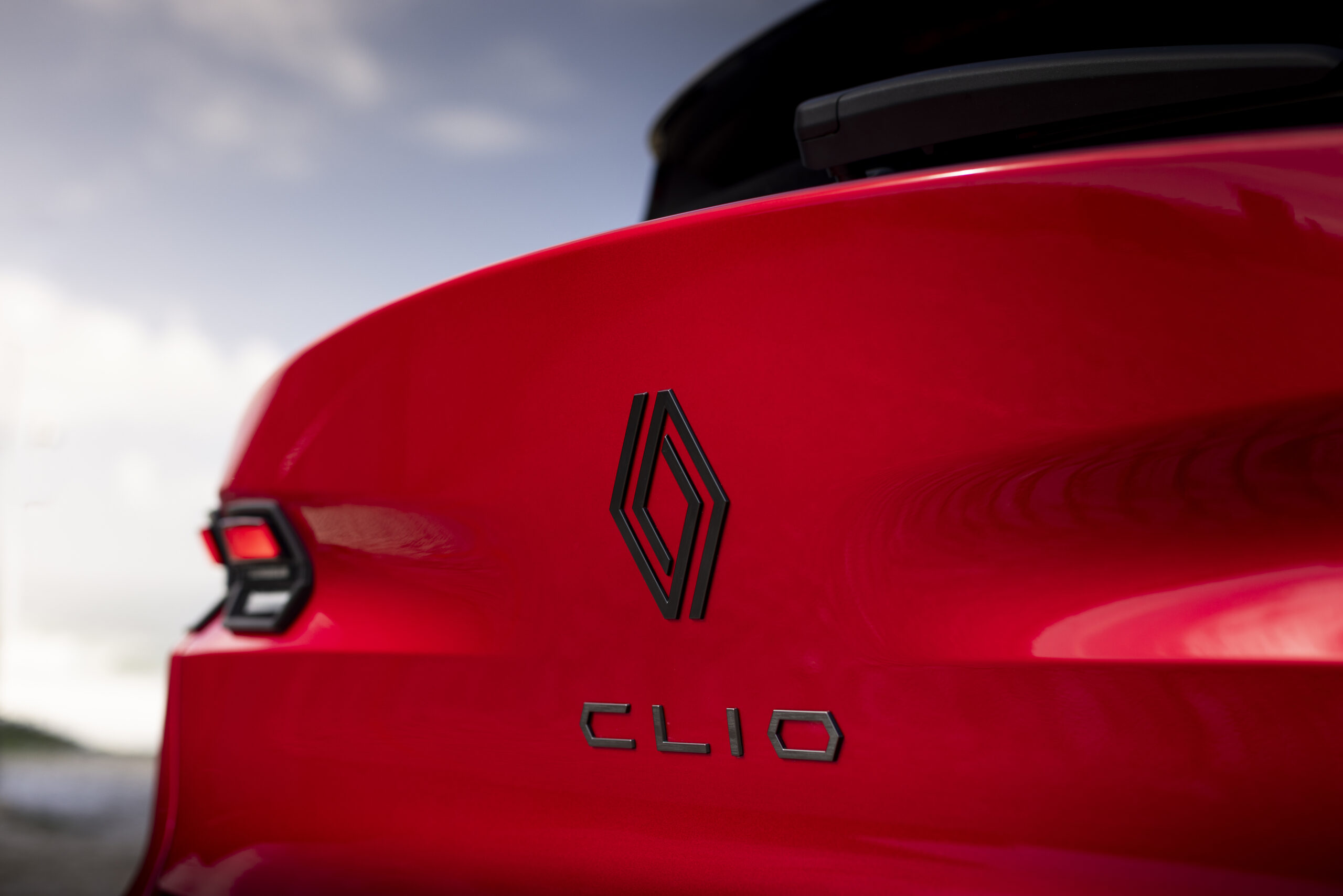
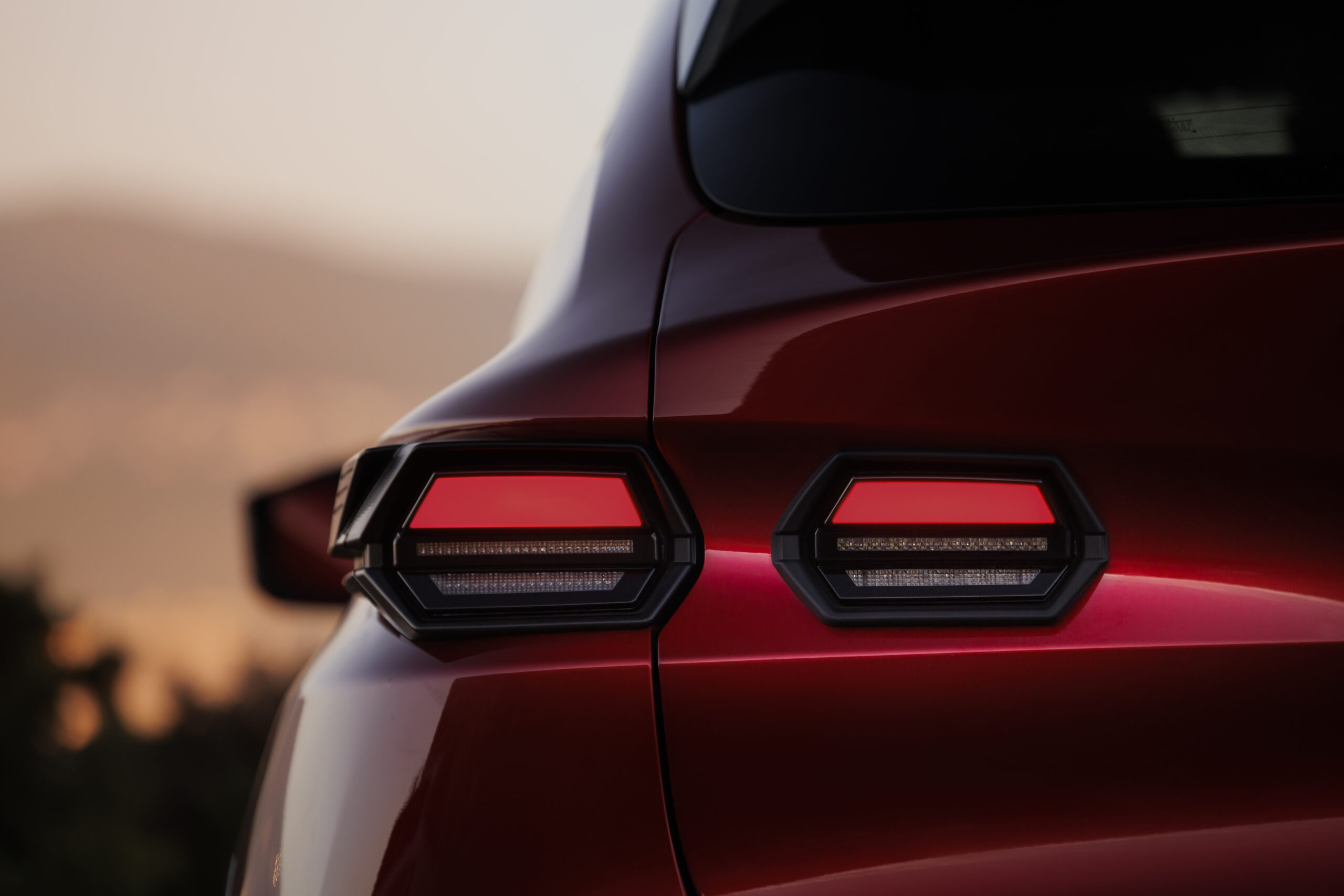
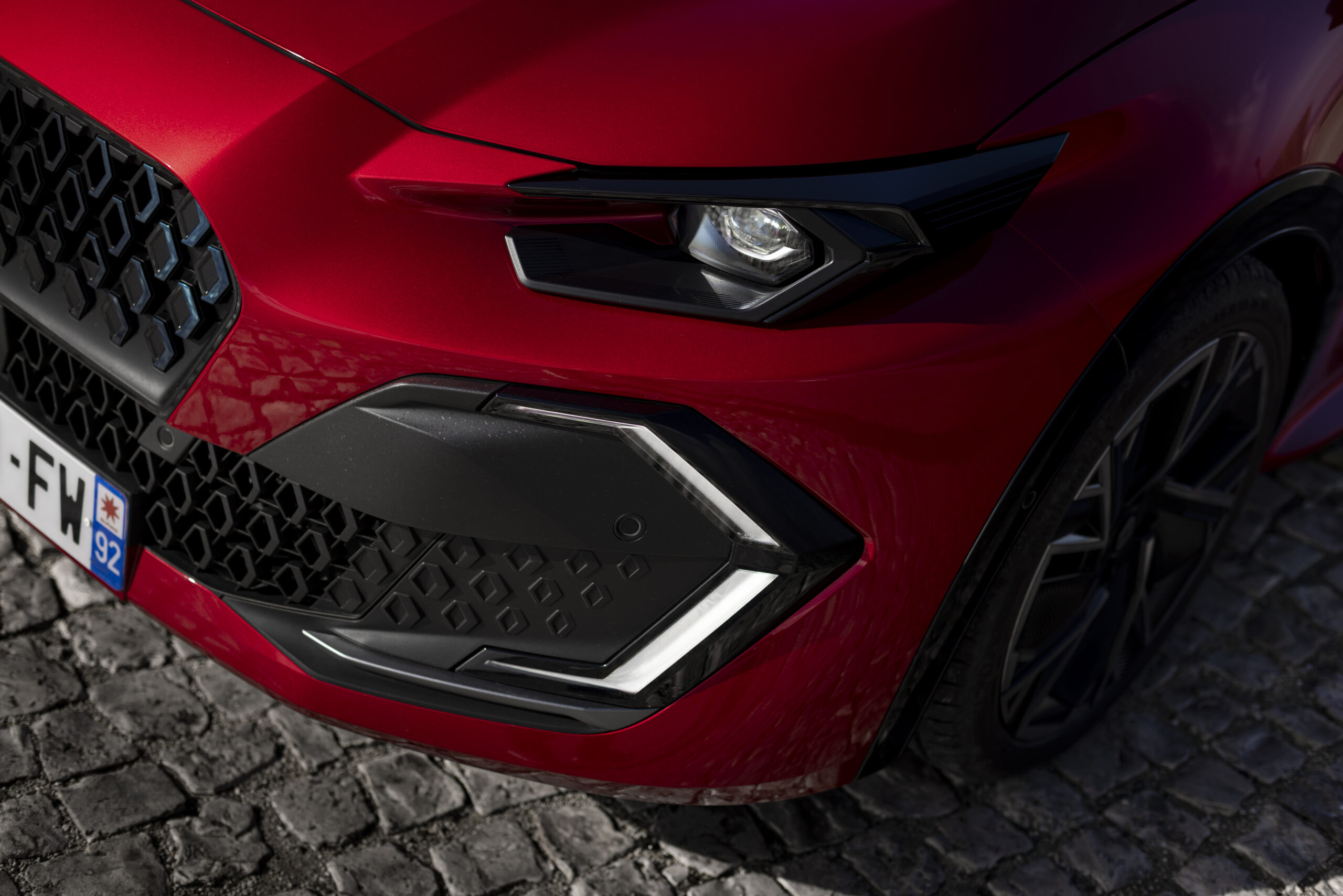
The rest of the car is more conservative, a sloping roofline flows into a lipped rear end, while the split light profile sits in a recess that comes out to highlight the Renault badge. Overall, the design is sporty and modern, but perhaps not as clean as its predecessors, or plug-in stablemates.
Familiar feel
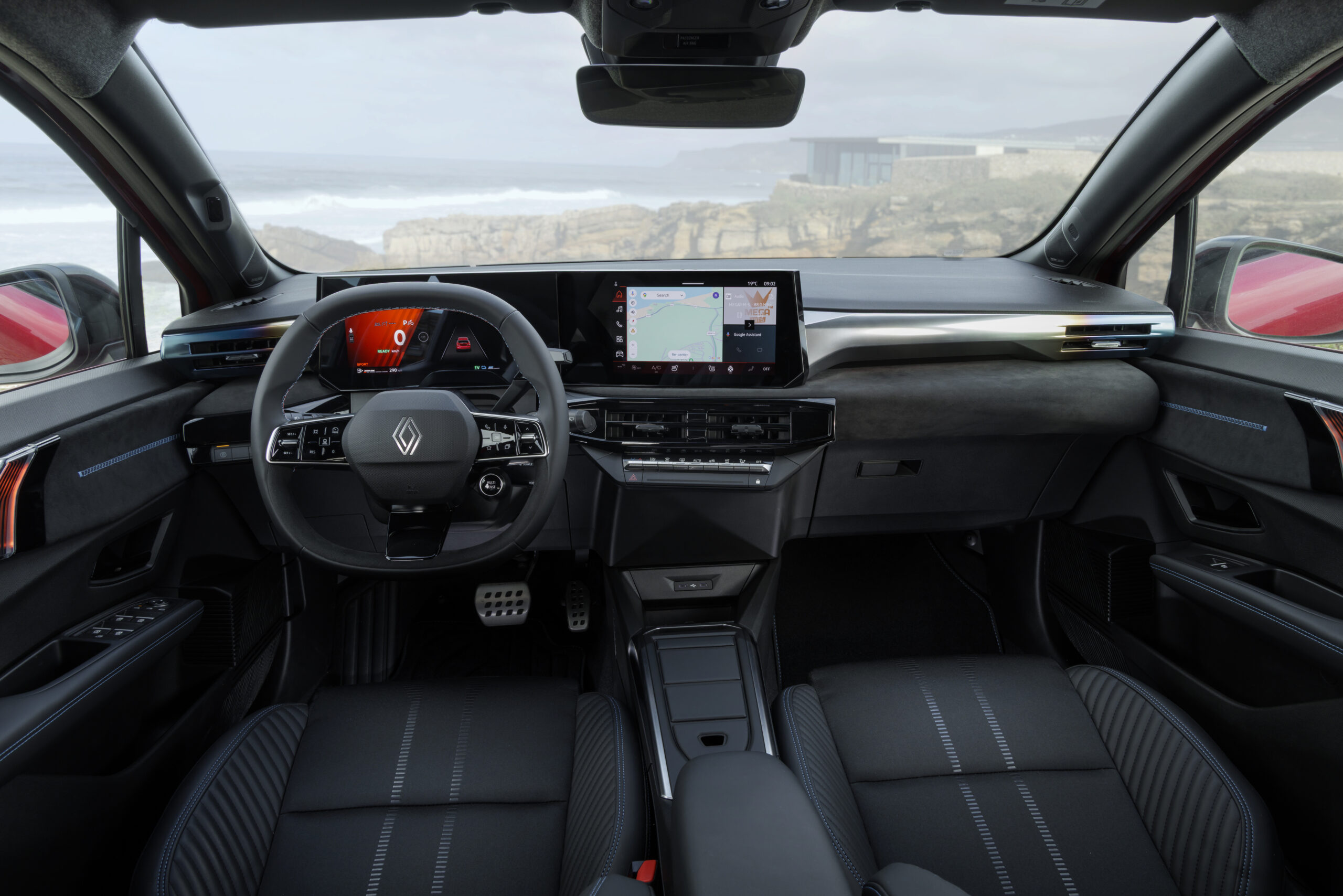
Inside, however, the carmaker has kept things in the family. The new Clio features the same dual-screen and a similar two-level dashboard layout as the Renault 5. The pair of 10-inch screens sit in a V shape, with one displaying driver information, and the other for the infotainment system.
This system features Google integration, with Google Maps built in, and Google Assistant. It will also integrate Gemini AI via an update, which will provide many more capabilities.
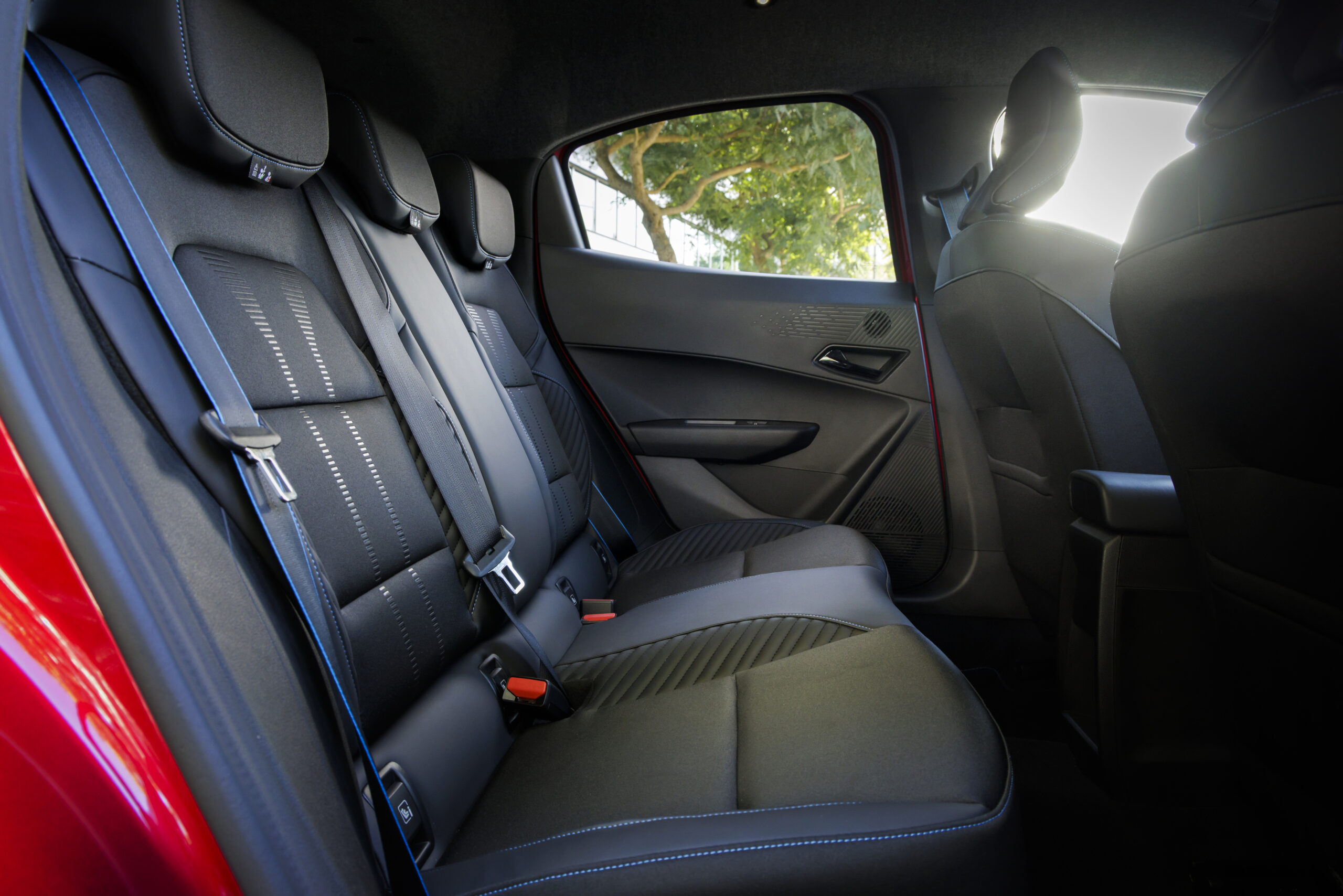
For front occupants, the longer dimensions of the new Clio provide ample room. However, with no addition made to the width of the car, it can still feel cramped. This is especially noticeable for rear-seat passengers, with no dividing central tunnel to buffer against. Rear headroom is also limited, although this is to be expected in a small hatchback.
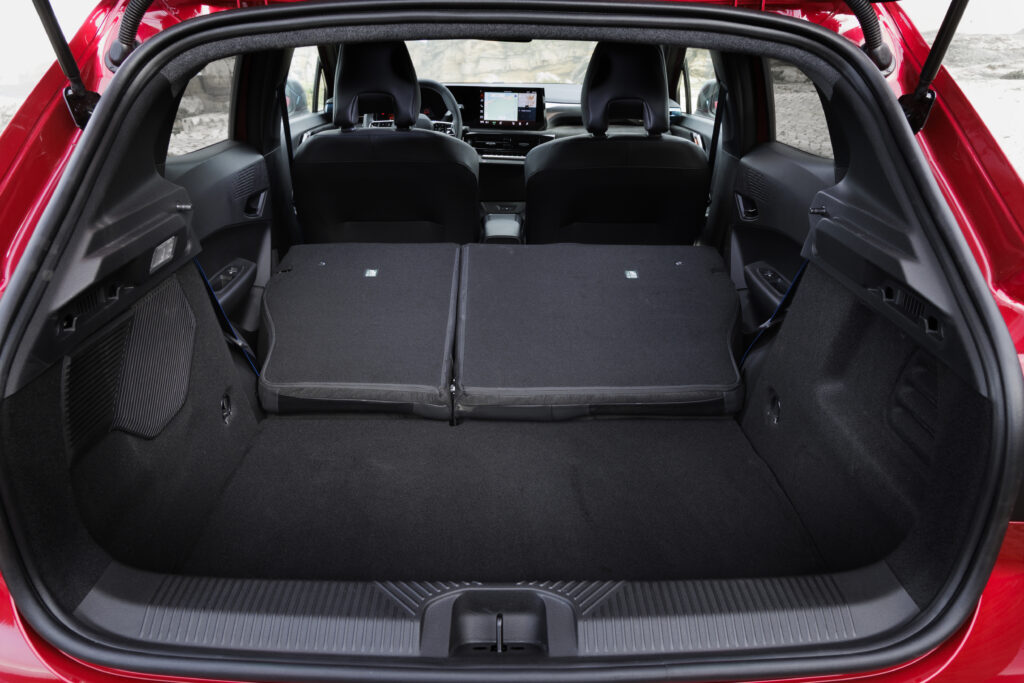
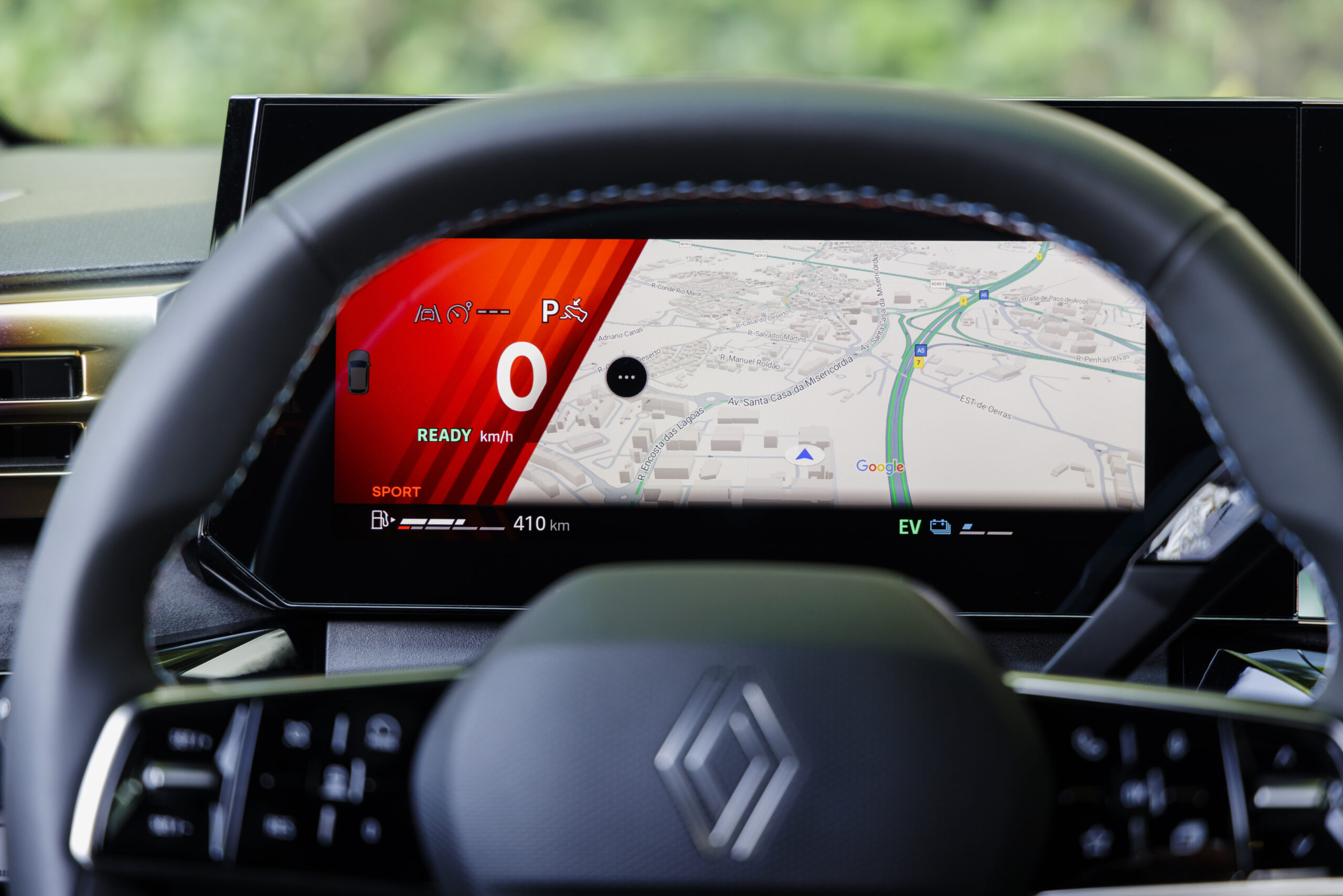
There are plenty of storage options in the centre console and door pockets, which make the new Renault Clio very practical. This is also backed up by the boot space. The petrol version gets 391-litres of capacity, while the full-hybrid (HEV) model gets 309, due to the space needed for the battery.
However, the boot does not feature a flat floor. The loading bay lip could, therefore, make it difficult when loading large or heavy items.
Differentiation for the Renault Clio
Some may question the relevance of the Clio, especially as the Renault 5, is proving popular in the same segment. However, the carmaker has chosen to diversify its powertrain portfolio between the two cars, a move that could pay dividends for both.
The new Clio is offered with either a 1.2-litre petrol, or a 1.8-litre HEV powertrain. There is no battery-electric version, meaning the Renault 5 maintains its position for electric-vehicle buyers, while the Clio offers an internal-combustion engine (ICE) alternative.
With UK sales expected to start in 2027, this choice is a reason for the new model’s delay into that market. The EU ban on new petrol, diesel and hybrid models was due to begin in 2035, although this has now shifted to 2040. However, the UK is starting its internal-combustion engine phase out in 2030. The carmaker is waiting to see how the political landscape around the motoring market in the UK changes, leading to the delay.
On the road
While the petrol-only version produces around 114hp, the HEV model features 158hp, up by 15hp on the current Renault E-Tech HEV powertrain. This gives a 0.62mph time of 8.3 seconds, and provides smooth power delivery, with smooth automatic gear chances from the four-speed box.

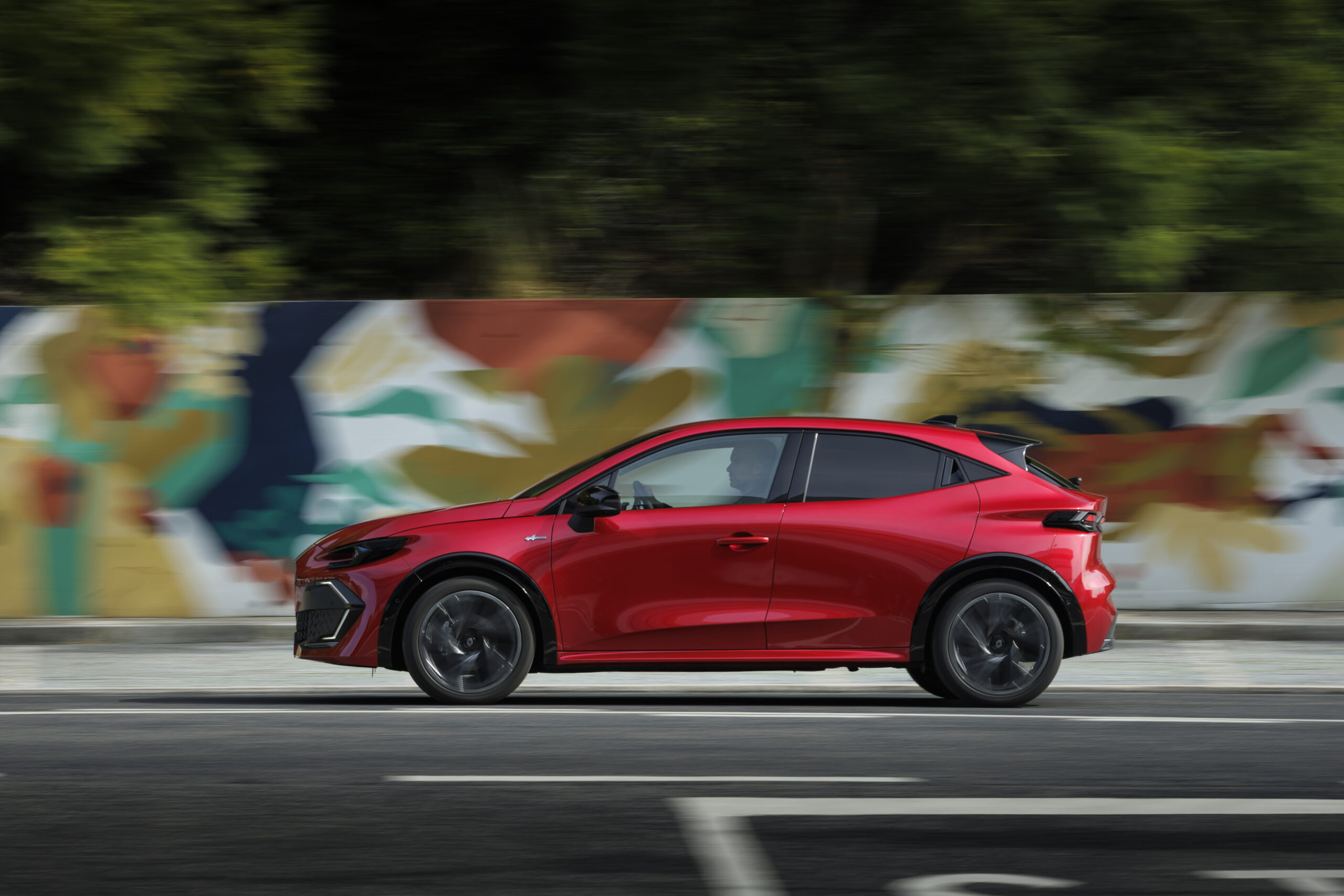
The Renault Clio offers a comfortable ride. Power delivery in the HEV model is adequate, if a little sedentary. The model features an intuitive B-mode that increases the regenerative energy from braking back into the battery. While not providing the ‘one-pedal’ feel of battery-electric vehicles, it does add to the braking, while increasing electrical assistance.
There is also a ‘Smart’ drive mode, which can automatically change from Eco, Comfort or Sport depending on how the vehicle is being driven, improving efficiency without input from the driver.
Overall, the new Renault Clio offers something different from its stablemates. While the Renault 5 has attracted attention with its retro characteristics and funky design, the Clio provides a nameplate that can be relied upon. By setting it out to cover the petrol and HEV markets, the carmaker is spreading its powertrain potential. The familiar Clio name will have to ensure it can hold the demand for ICE-based models in the B-segment.
View the interactive dashboard, which benchmarks the Renault Clio in Austria, France, Germany and Spain. The interactive dashboard presents new prices, forecast residual values, and SWOT (strengths, weaknesses, opportunities, and threats) analysis.