
From concept car to on-road reality at the Brussels Motor Show
16 January 2026
Concept cars remain a unique way to peek into future design languages and technological trends. But how has the premise surrounding them changed? Autovista24 special content editor Phil Curry examined the new ideas on display at the Brussels Motor Show.
The concept car is not a new idea, but in recent years, examples have been sparse. However, carmakers are bringing these standout designs back, with some basing their stands at motoring events around them.
The Brussels Motor Show saw the return of the concept car as a key focal point on some stands. But just how important are these models, and why are carmakers returning to the concept design philosophy?
An adaptable concept car
Citroën debuted its ELO concept car at the Brussels Motor Show. The model generated a lot of interest, especially with its prominent placement at the front of the brand’s stand.
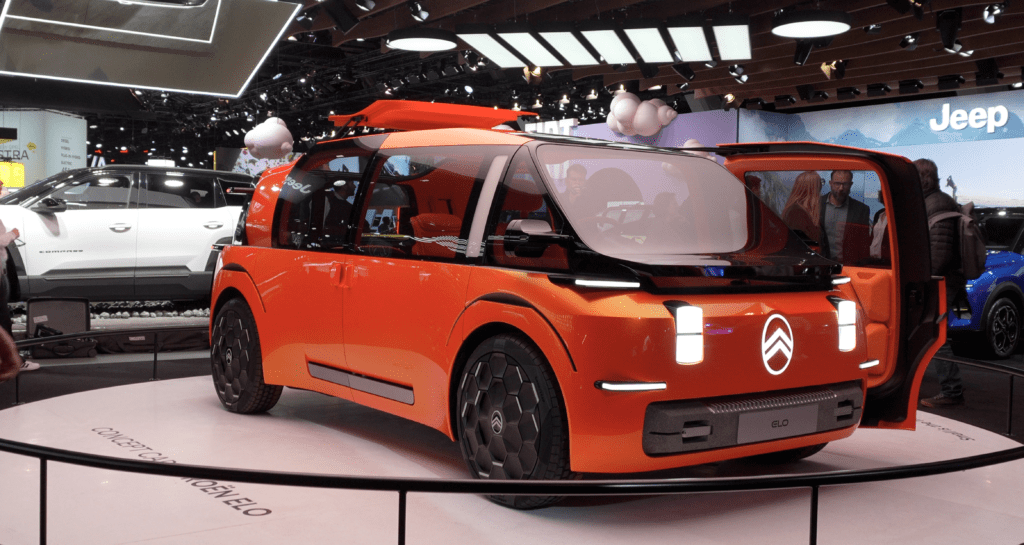
Visitors were treated to a vibrant coloured car that matched its surroundings, as Citroën focused on the future. The brand has worked with Goodyear and Decathlon on the model. It integrated new technologies and designs to make the concept as practical as possible.
This means the ELO is not as far removed from reality as some concept cars of the past. It featured no autonomous driving functionality and steered away from impractical design elements. Instead, the 4.1-metre model brought practicality, both in its usefulness and build.
Citroën said: ‘fully in tune with the times, ELO is more than just a means of transport.’ It facilitates all aspects of life on the move, with work, leisure and relaxation its core themes.
The interior’s bold design may divide opinion, but behind the central driving position is a cabin that is highly adaptable. By positioning the driver in the middle of the cockpit, the ELO is ideal for both left and right-hand drive markets, while also freeing up space in the rest of the car.
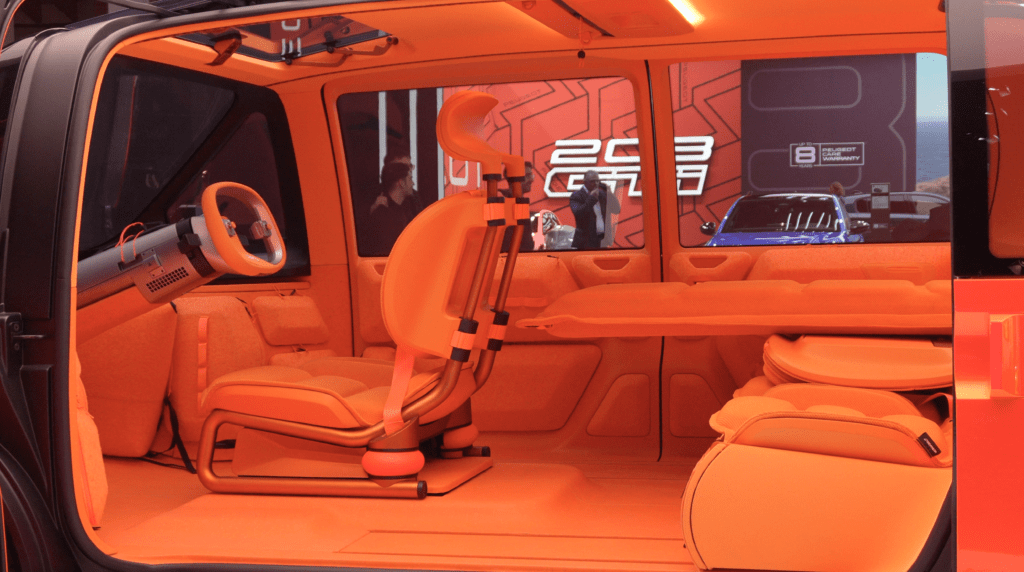
The driver’s seat can be rotated to allow for interaction with passengers when parked. Additional seating can be deployed to transport up to six people. These seats can be transformed into a sleeping space for two as well. Plus, a power supply allows the ELO to be used as a home away from home.
Sustainability at the core
The ELO also features a sustainable element. Citroën has changed the treatment process for materials such as polypropylene, boosting recyclability. By reimagining components already in use by Decathlon, Citroën further cut the ELO’s production costs and reduced its overall carbon footprint.
Furthermore, the model also allows drivers to save money on parts, with identical front and rear bumpers. This results in fewer new parts being manufactured, helping cut insurance costs and potentially lowering the total cost of ownership.
From concept car to reality
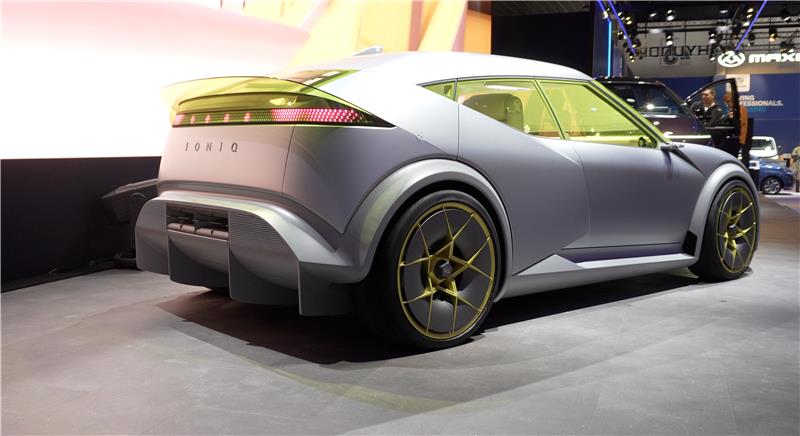
Hyundai unveiled its Concept Three at the IAA Mobility in 2025. At the Brussels Motor Show, the brand announced that the concept would become reality. It will form the basis of the new Ioniq 3, scheduled for launch later in 2026.

The new model is unlikely to carry over all of the features of the Concept Three. Its front grill and tinted windows will likely change, while its interior lacks real-world practicality. However, there are elements and designs that could be included.
The shape and size of the model will translate into the Ioniq 3. It features several ideas that make it stand out to the next generation of drivers. Its Parametric Pixel lighting is expressive, with its Mr Pix character integrated throughout to offer ‘playful storytelling’ and interactive elements.
Powerful stance
Among the many models from Volkswagen (VW) Group at the Brussels Motor Show was the Audi Concept C. This all-electric two-seater sports highlights the brand’s new design philosophy. This is another important area that concept cars help to envisage.

The simplistic looks, wide stance, and front end that points to the grill, help it stand out. The light signature is expected to carry over into future Audi designs. The model’s stance and titanium colour present strength and power.
The Concept C comes at an important time for Audi. With the marque entering Formula 1 in 2026 as a constructor and engine builder, it is pushing its performance credentials.
Small but functional
Dacia brought its Hipster Concept to the halls of the Brussels Motor Show. The concept was another to be afforded a prominent placement on the brand’s stand. It attracted attention for its practicality and functionality.
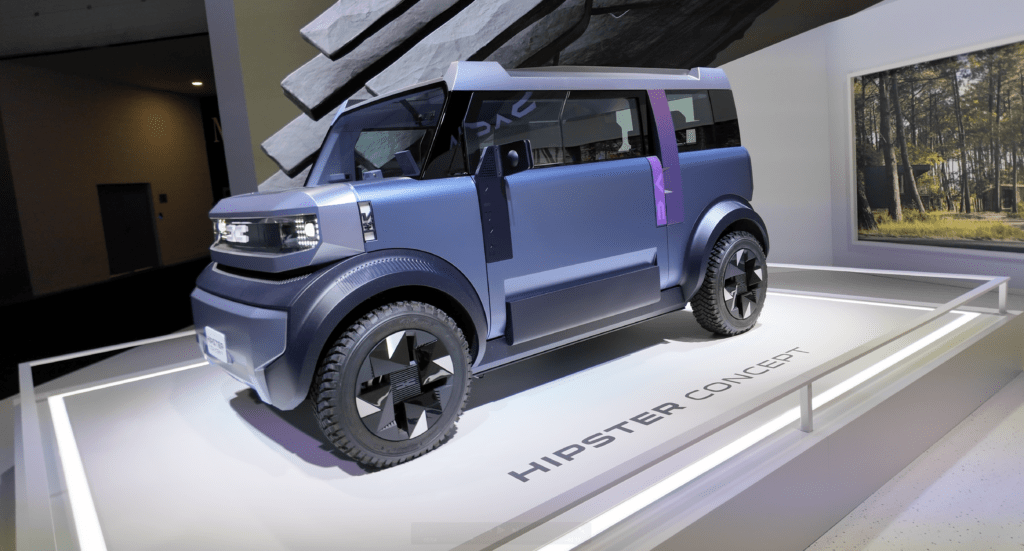
Measuring just three metres in length, the small car looks as though it could soon go into production. It uses a seating layout that is already on offer in the Dacia Sandero. The concept has been designed to reduce both weight and costs.
The interior can be customised with owners purchasing add-on items, with YouClip anchor points allowing for additions.
The Hipster is a simplistic model that can be styled to the driver’s preference. Rather than a built-in infotainment system, a smartphone dock allows users to rely on their own devices. Audio is played through a portable Bluetooth speaker that is compatible with the YouClip system.
A different concept
The Citroën ELO, Hyundai Concept Three, Audi Concept C and Dacia Hipster Concept encapsulate the philosophy of today’s concept car. No longer is the future a standout design, which is impractical for everyday life. Today, concepts could easily go into production with a few amendments.
This may make them more attractive to motor show visitors. There is no thought of what could be, but instead a feeling of what they could own. The Concept Three, for example, joins the Renault 5 in moving from a design vision into reality. It draws potential buyers in by revealing what the finished product will likely resemble.
The gaming aspect
DS Automobiles presented the Taylor made No.4 Concept at the Brussels Motor Show. Its name is a nod to Formula E driver Taylor Barnard, who joined the DS Penske team for the 2025-2026 season.
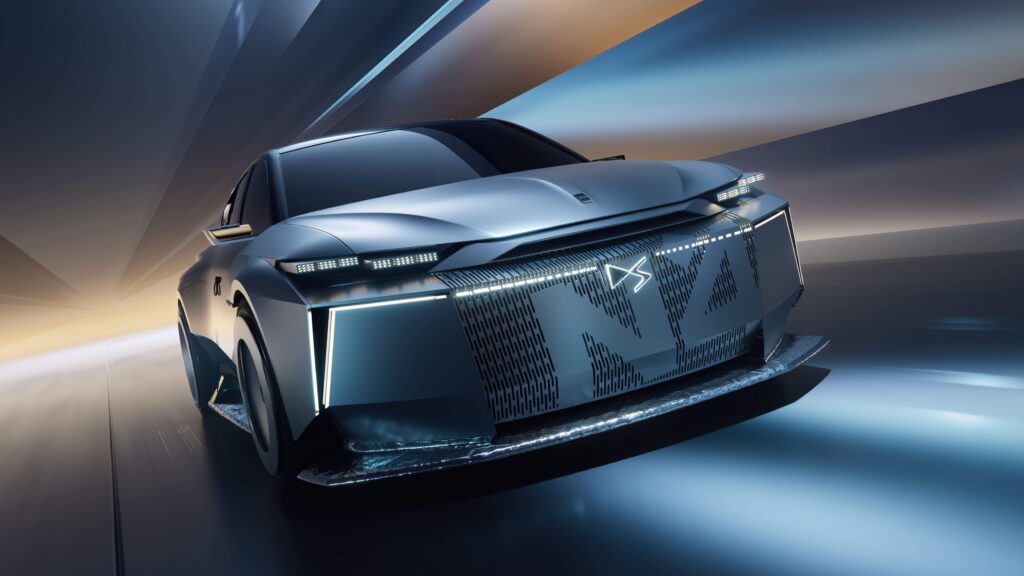
The concept is based on the No.4 model and was created to showcase the DS Performance Line. The model is inspired by Barnard’s preferences, with the colour, materials and finish modelled through his input. Inspired by gaming, with its contrasting shades and widebody stance, it created an imposing presence on the stand.
Opel brought its Corsa GSE Vision Gran Turismo concept to the show. This is not a new model, but it held a significant place on the carmaker’s stand. Elements of the design made their way to the new Opel Astra, which was unveiled in Brussels.
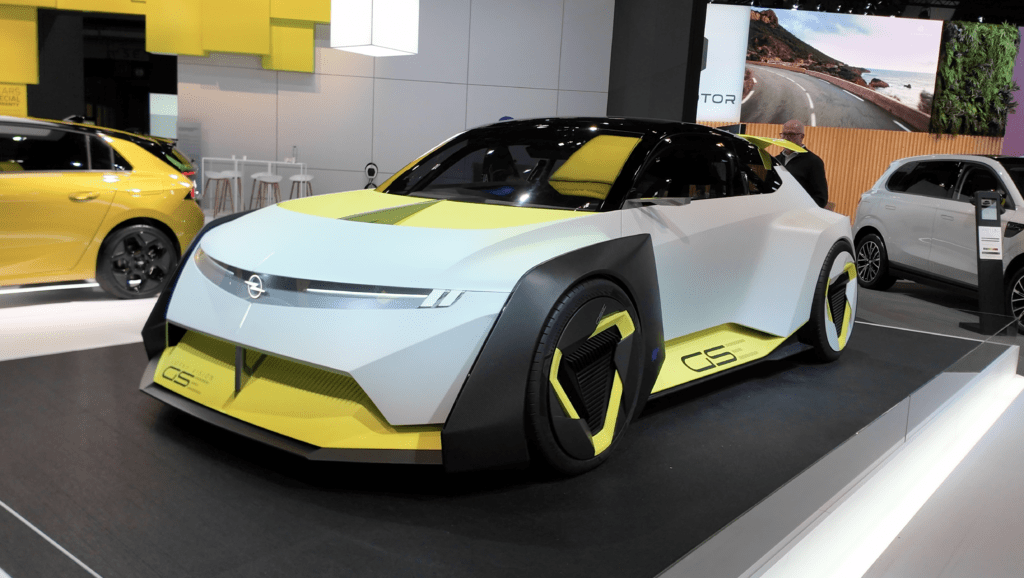
Opel states that the concept represents the future of the GSE high-performance label. It also signifies the brand’s commitment to the small car sector, which is growing in popularity once again.
Merging the physical and gaming worlds, the model’s name is a nod to its inclusion in Gran Turismo 7. Players can experience the GSE Vision in the racing simulator, increasing the carmaker’s exposure.
The Brussels Motor Show highlighted that the experience of the concept car is continuing to change. No longer do they show what might be in the future. Now they present the potential of models today, either in the real world or in video games.