
What is an automotive recall?
27 February 2026
Not every automotive recall requires a workshop visit. Some fixes can now be delivered over the air while the vehicle is parked. So, what actually is a recall, and why do they happen? Autovista24 journalist Tom Hooker investigates.
An automotive recall is a formal safety action. It is used when a vehicle, a component, or a piece of software, is found to create an unacceptable safety risk. A recall may also be issued if a vehicle does not comply with safety requirements.
For owners, the key point is straightforward. The manufacturer must provide a remedy, which is normally free of charge. That fix might be a physical repair, a replacement part, or a software update.
Why do recalls happen?
Recalls usually arise due to evidence from the field. This includes customer complaints, internal testing or an investigation by a safety authority. Causes can range from defective parts fitted during production to a design weakness that only appears after a certain amount of mileage.
Recall terminology can also vary by region. Some markets separate safety recalls from voluntary service campaigns. These are fixes that improve a vehicle’s quality or compliance but are not classed as an immediate safety risk.
The recall process is relatively similar across the world. First, manufacturers identify the affected vehicles. This is often done using the vehicle identification number (VIN). Production dates and factory records may also be used.
Then, carmakers will notify the relevant transport authority before contacting the vehicle’s owner with instructions.
A recall involves many moving parts. Dealers and manufacturers must manage component supply, workshop capacity, customer communication, and completion rates.
Dealership recalls and virtual recalls
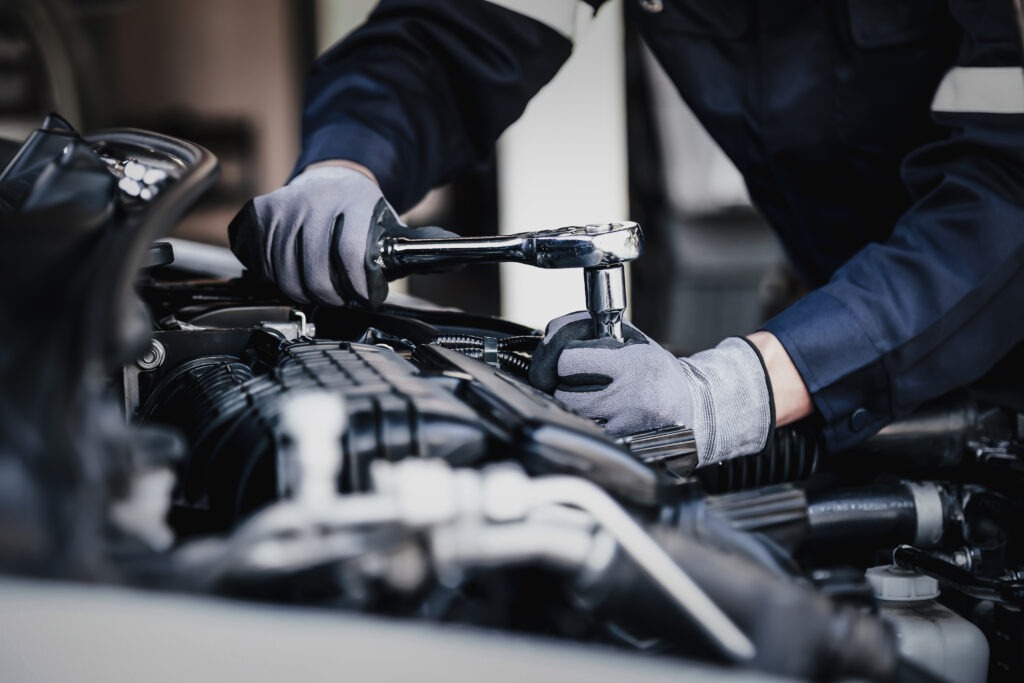
Traditionally, recalls have been carried out in a workshop. In this procedure, an appointment is booked, the repair is carried out, and the job is logged as completed.
However, as vehicles become more software-defined, the shape of a recall is evolving, from workshop fixes to remote updates. These are known as over-the-air (OTA) updates, and are delivered wirelessly, without any physical connection to the vehicle. This can reduce inconvenience for drivers.
If the defect is purely software-based, the remedy can sometimes be deployed remotely. In some cases, an OTA update can be offered alongside dealer repair for vehicles that also need hardware work.
Commercial recall importance
For consumers, recalls are about safety, time, and trust. However, for businesses, it is a matter of time and resources. Fleets and rental operators may need to pull vehicles from service. Meanwhile, dealers need to absorb extra workshop demand, sometimes alongside parts constraints.
For manufacturers, recalls not only create direct costs but can also cause undesirable longer-term effects. This includes reputational damage and weaker used-car confidence. In turn, this can put pressure on residual values.
So, a recall is not just a repair notice. It is a structured intervention intended to improve vehicle safety and prevent breakdowns or accidents before they happen.
The balance of physical and virtual recalls may continue to shift in the years ahead. Yet the objective remains the same. Identify the risk, notify the customer, and remove the hazard.