What is a concept car?
29 October 2025
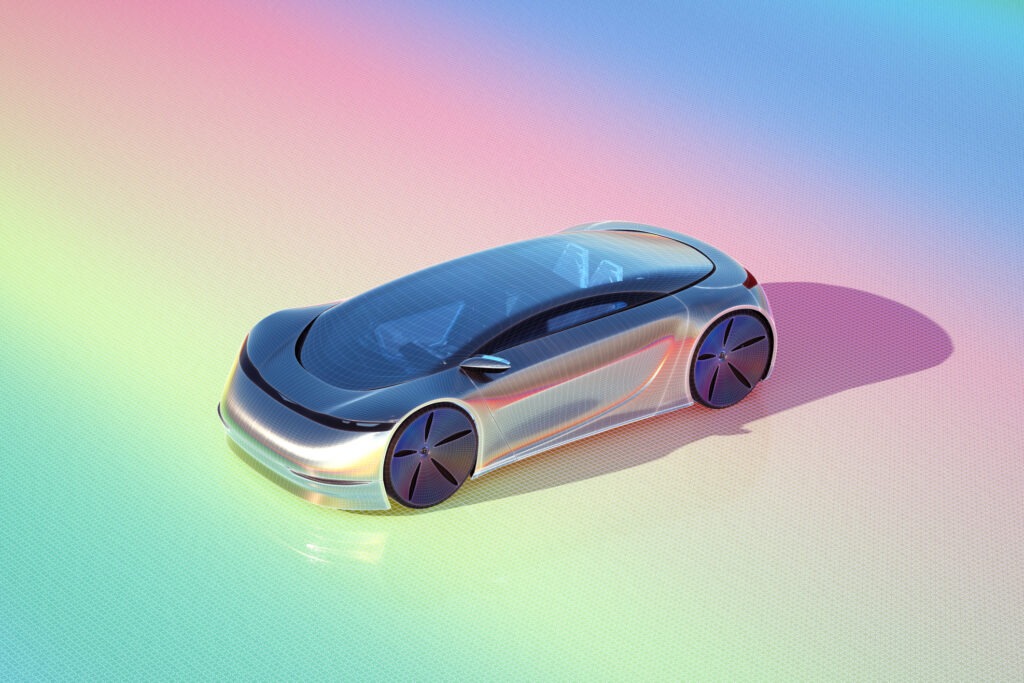
While many designs make it to the road, some are only destined for exhibition halls and marketing materials. But the concept car still has an important role to play in the automotive market. Autovista24 special content editor Phil Curry examines their purpose.
Over the decades, carmakers have used innovative model design to stand out from the competition. Design must also allow for regulations, with safety features and sustainability requirements needing to be considered.
However, a concept car allows these shackles to be removed as designers illustrate their unique ideas. These prototype vehicles are developed to highlight new trends in both design and technology. However, they are not created to be sold, but provide a glimpse of what could be possible in the future.
These models can feature advanced aerodynamics, futuristic user interfaces, innovative powertrains or advanced technology. Concept cars allow brands to push the limits of design without the need to worry about production or budgets.
These concept cars can also reveal the findings of studies, help develop and implement new technologies, or visualise new production models.
Concept car design
Concept cars were once a mainstay of motor shows. Brands looking to attract attention to their stands unveiled what they believed would be the car of the future. Some had a basis, while others were more experimental. But these cars attracted audiences and inspired belief in the future of mobility.
The basis for a concept car was to highlight future design trends. The first model developed as a concept was the Buick Y-Job in 1938. This came at a time when many cars featured large vertical grills, separate headlights and little design sculpting.

But the Y-Job, created by US designer Harley J. Earl, created a different profile that fed into upcoming models. This included the 1949 Buick Roadmaster and the 1953 Buick Skylark. The grill design is still seen in Buick models today.
Since then, brands have used concept cars for a variety of purposes. Some have highlighted design trends that have carried into their production models. Meanwhile, others focused on vehicles which could inspire future trends.
Journey of the concept car
Renault has taken concept car ideas through to production on several occasions. This means it developed an outlandish future concept, then a realistic opportunity, followed by a production model.
One example is the Renault EZ-Ultimo, a model presented at the Paris Motor Show in 2018. At the time, autonomous vehicle technology was a hot topic of discussion, so the carmaker revealed a trio of ‘robo-vehicles’.
The EZ-Ultimo was a mobile lounge, showing what would be possible with driverless vehicles. Not only did it serve a purpose of suggesting future design trends in an unrestricted environment, but it also drew crowds to Renault’s stand.

Moving forward to 2024, Renault presented the Embleme. This model presented the potential of an alternative powertrain system. It featured dual-energy electric and hydrogen technology to reduce CO2 emissions over the entire lifecycle of the vehicle.
In 2021, the carmaker unveiled the Renault 5 Prototype. It forged a connection with the carmaker’s former model that was discontinued in 1996. The concept acted as a precursor for the Renault 5 E-Tech, which was launched in 2024. The carmaker carried many of its design features into the production model, which is now on sale.
Digital concepts
Interest in traditional motor show concepts began to wane in the late 2010s. The COVID-19 pandemic saw many brands switch to online launches. This meant fewer design restrictions in the development of concept cars.
Rather than produce a physical model, designers could dig into the digital world. Brands showcased their concept drawings and videos to show what was possible. Fast forward to 2025, and this digital mindset has stuck around.
One example is the Ferrari F76, a digital hyper car created in the form of an NFT. It combines Ferrari’s racing tradition with generative design and digital technologies.

Designed for clients of the Hyperclub programme, the F76 was created to support the 499P competing at Le Mans and in the World Endurance Championship.
While the development of a concept car has changed, its role remains the same. They are created to inspire both designers and consumers. They also create discussions and allow brands to build on their reputations to lead ideas around future technologies. Either digital or physical, concept cars remain a standout part of automotive development.