

The Automotive Update: Japan Mobility Show and Europe’s sustainability ambitions
31 October 2025

What vehicles have been revealed at the Japan Mobility Show? Which companies have made autonomous announcements? Has Europe’s green transition slowed down? Autovista24 editor Tom Geggus reviews the news in The Automotive Update podcast.
In this episode, Autovista24 reveals the latest electric vehicle (EV) concepts from Japanese brands. Then, a look at how autonomous technology has taken steps forward. Finally, Autovista24 journalist Tom Hooker evaluates Europe’s automotive sustainability ambitions.
Subscribe to the Autovista24 podcast and listen to previous episodes on Spotify, Apple and Amazon Music.
EV concepts revealed in Japan
The Japan Mobility Show has seen domestic brands coming out in force, with eye-catching concept cars and production models.
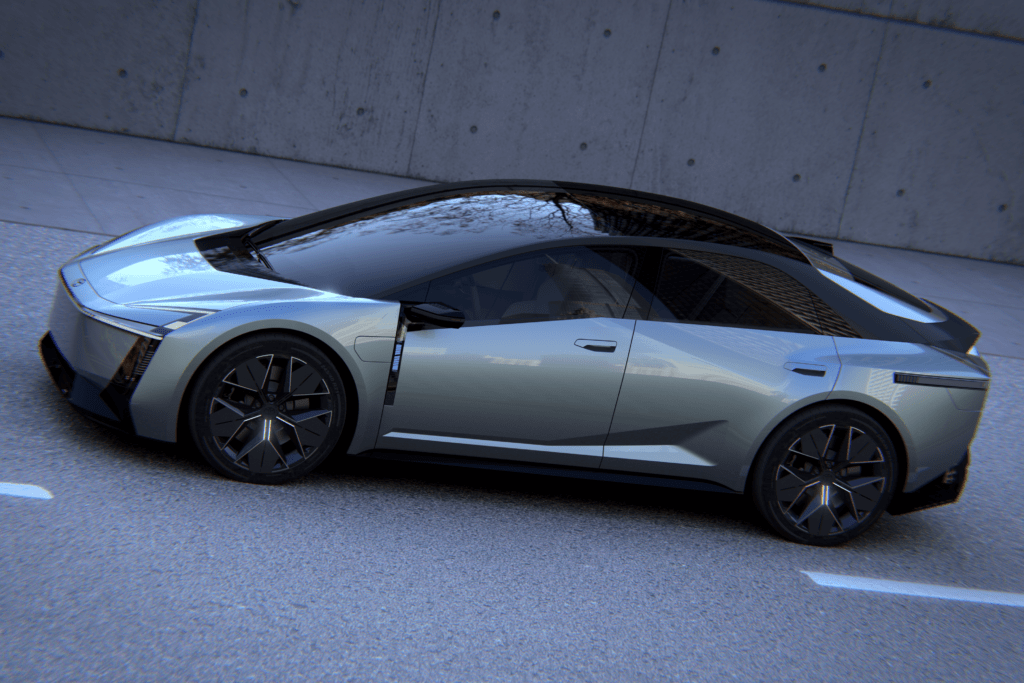
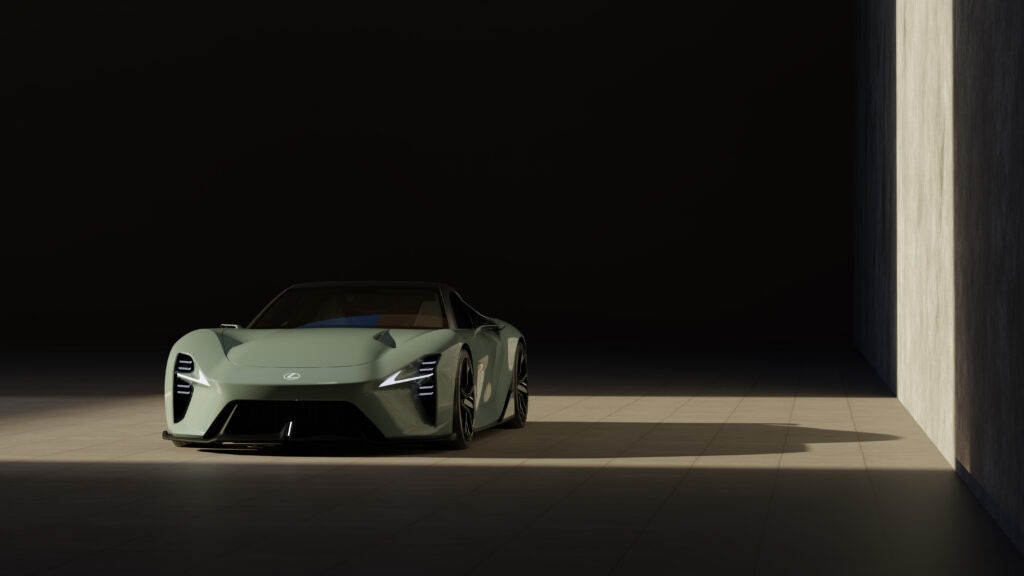
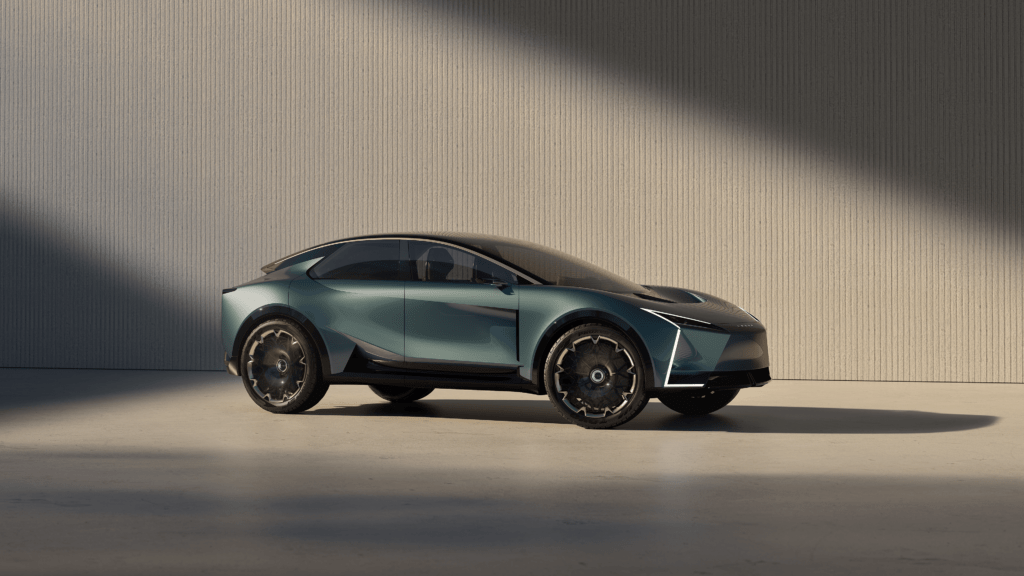
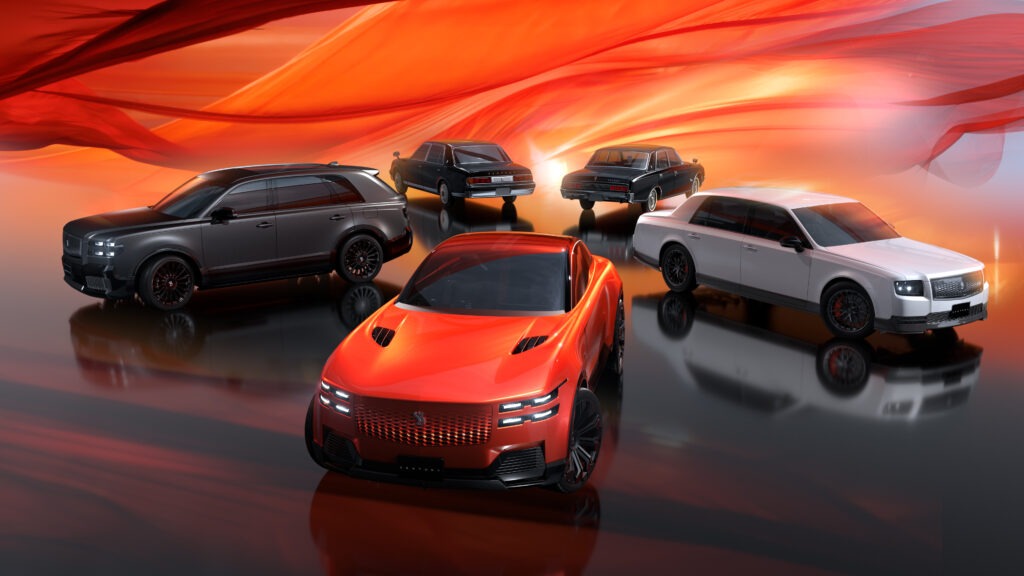
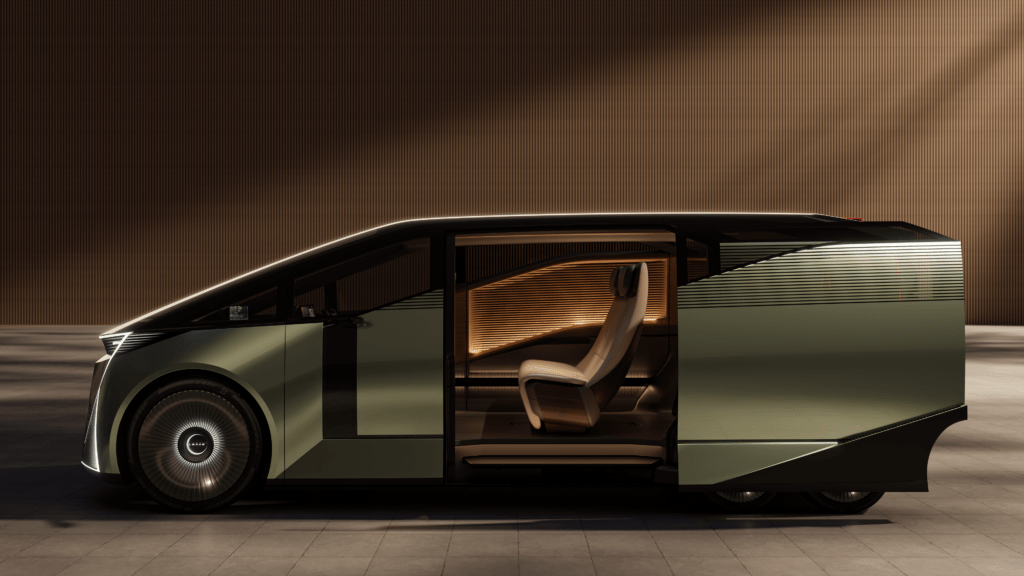
Toyota took the covers off a new Corolla concept. Lexus revealed several electric models, including a luxury six-wheel van called the LS Concept. It also unveiled the LS Coupé Concept and a sports car concept. Century, Toyota’s ultra-luxury marque, also presented a dramatic new coupé.
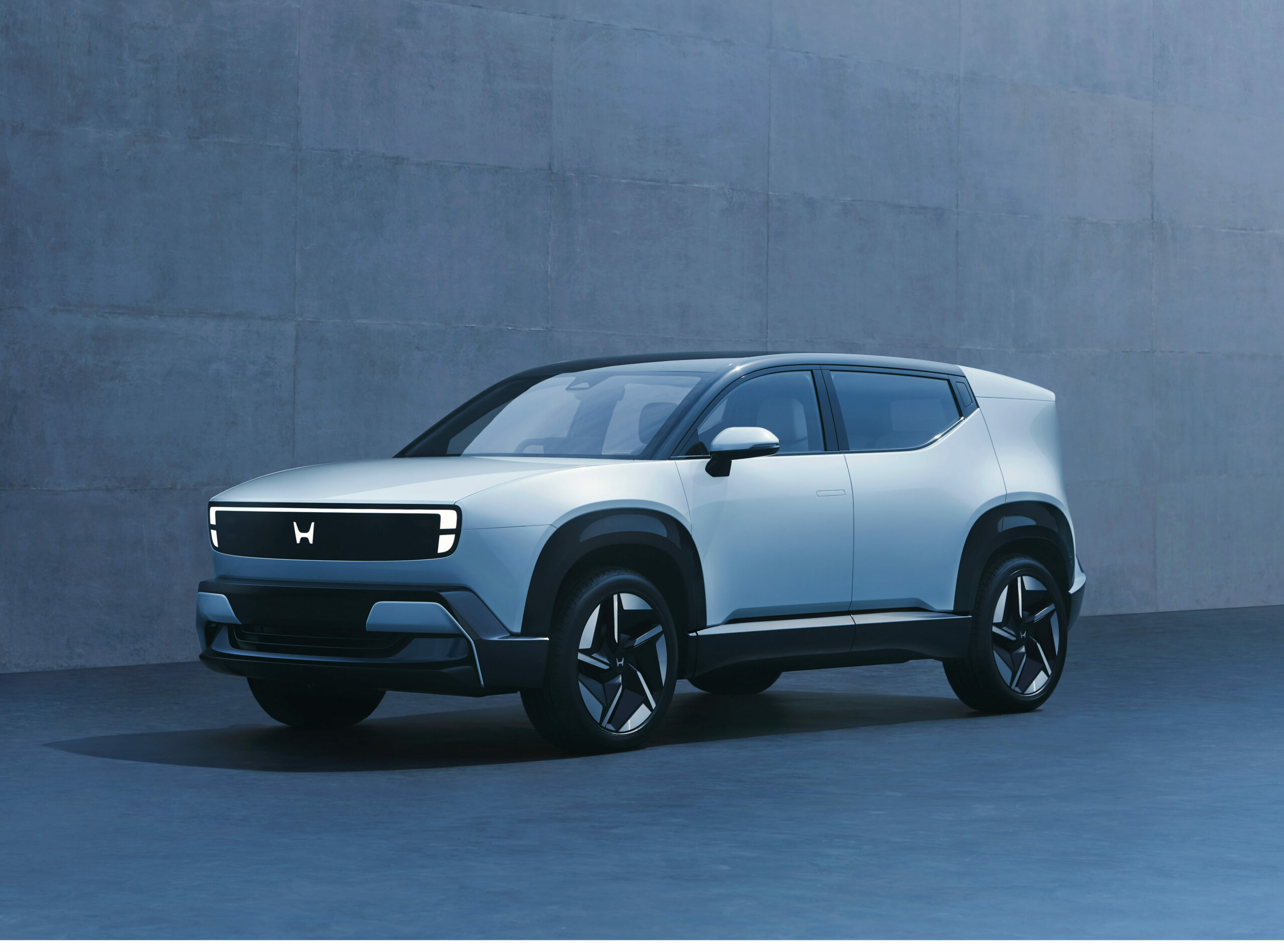
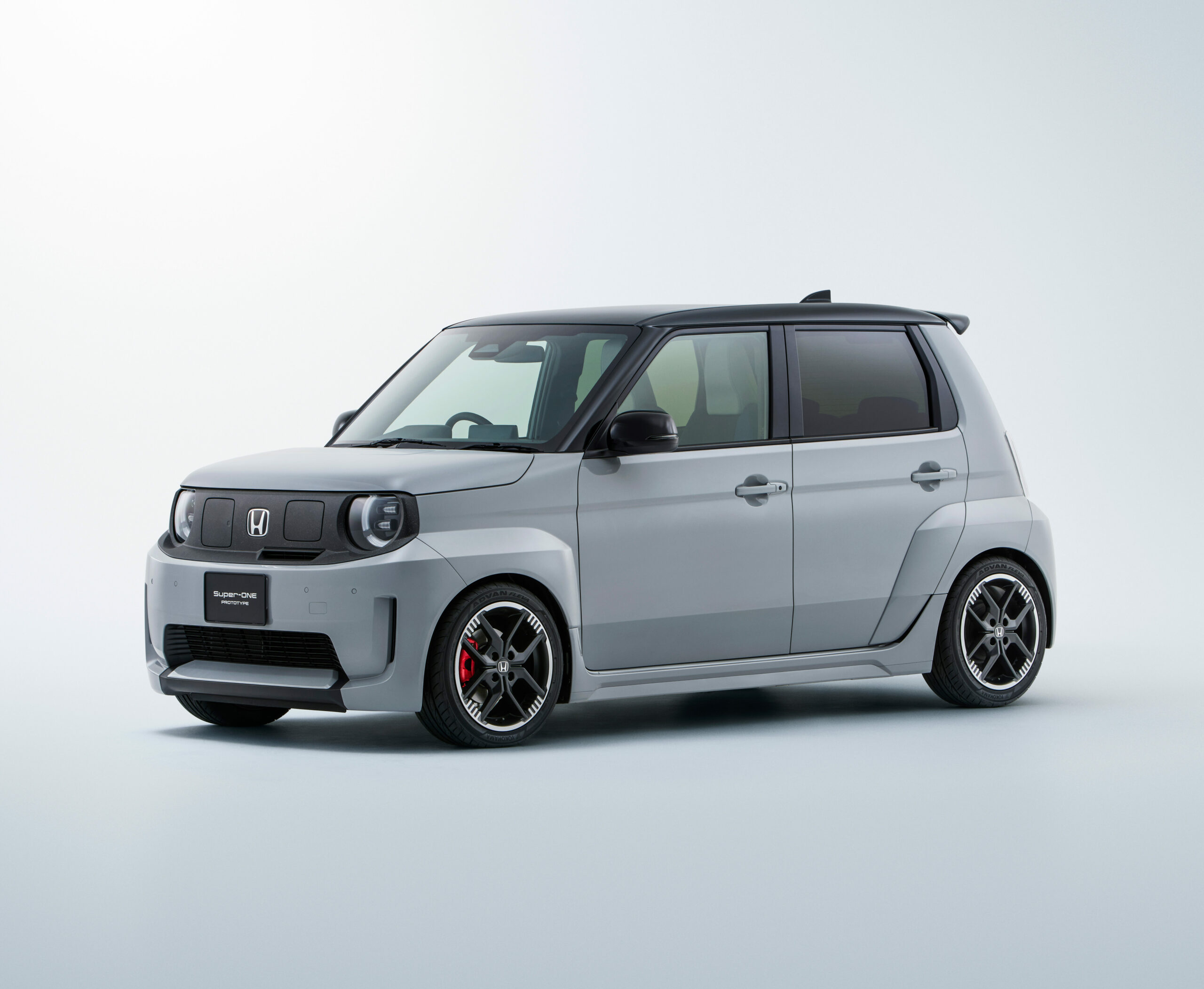
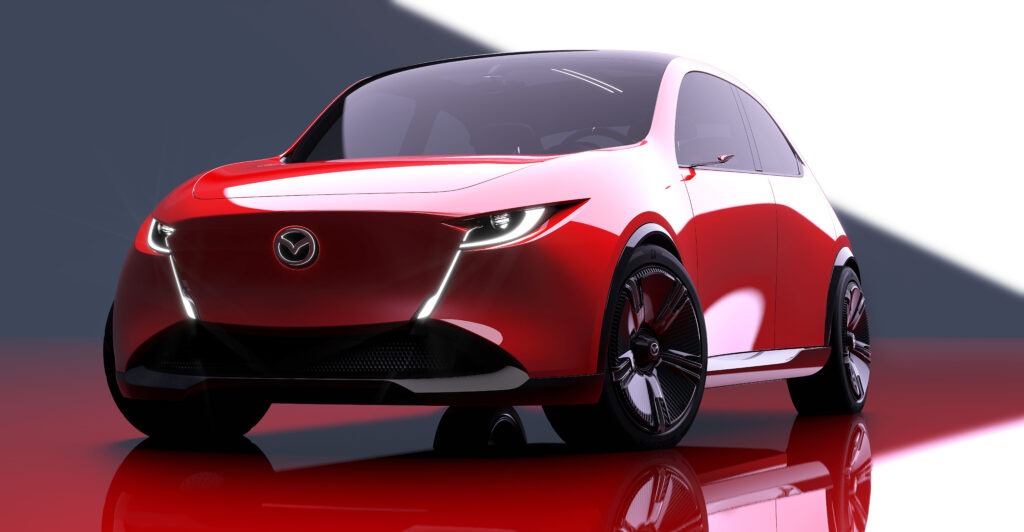
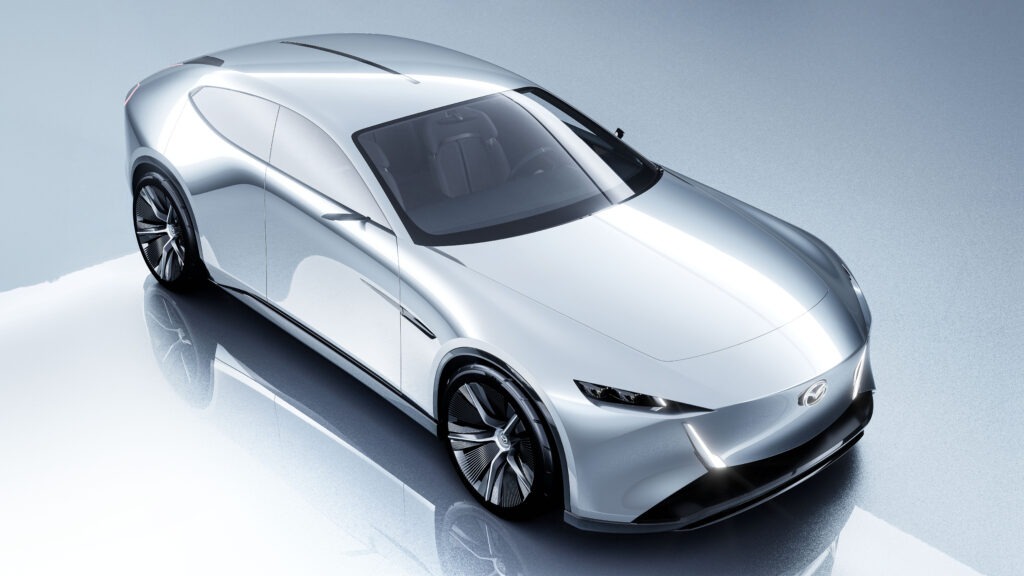
Honda presented two new electric vehicle (EV) prototypes. This included the Honda 0 α SUV as well as the far smaller Honda Super-N. Mazda revealed the AI-infused Vision X-Compact alongside the plug-in hybrid (PHEV) Vision X-Coupé.
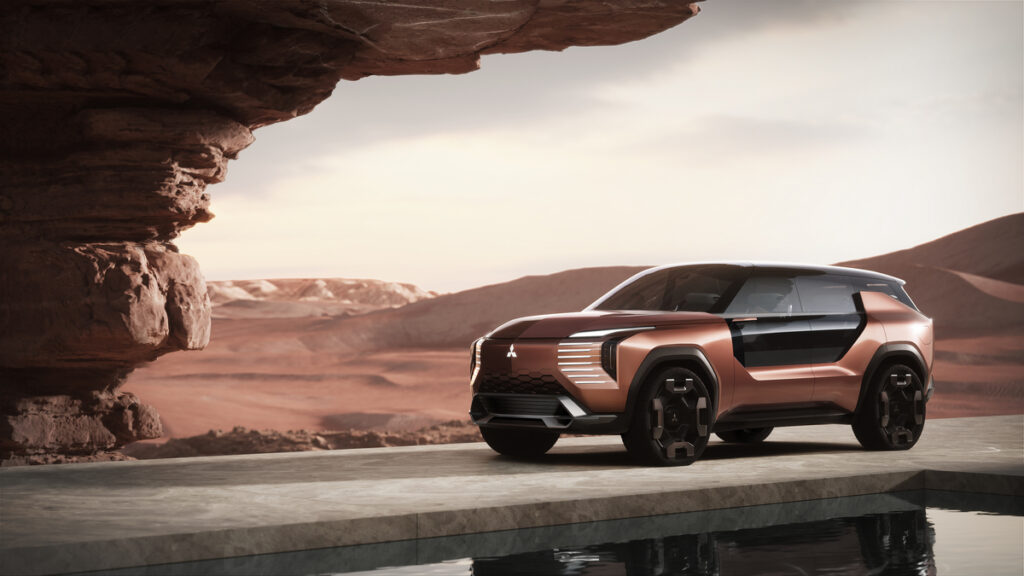
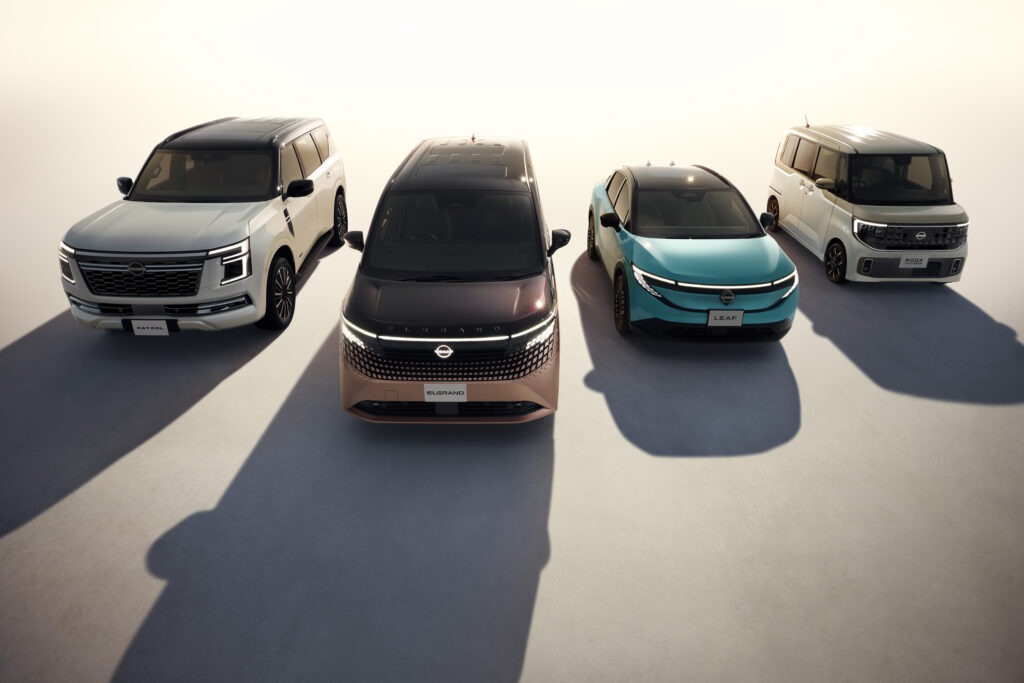
Mitsubishi unveiled the Elevance concept, a PHEV crossover SUV which features AI-powered personalisation. Nissan debuted its new Elgrand minivan, a refreshed Ariya and confirmed the Patrol SUV’s entrance into the Japanese market.
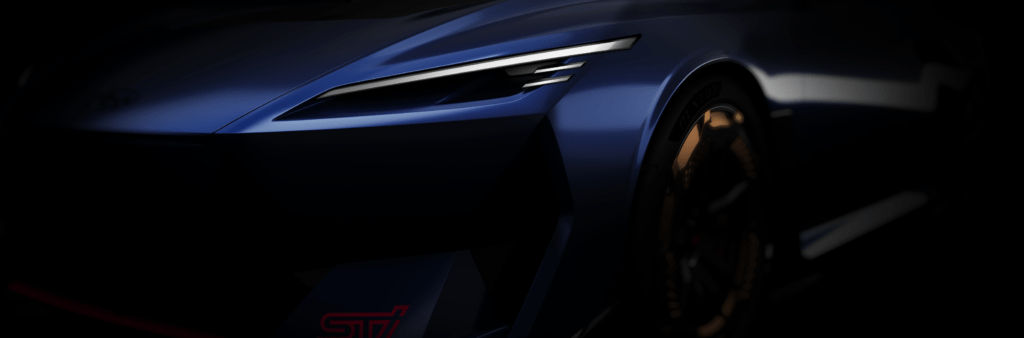
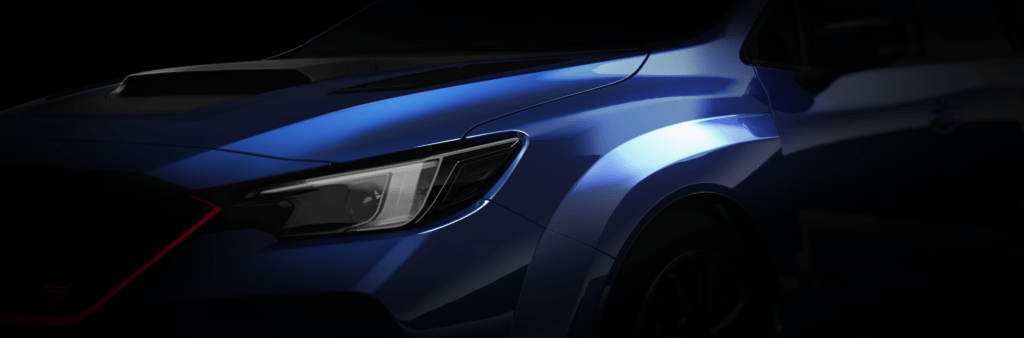
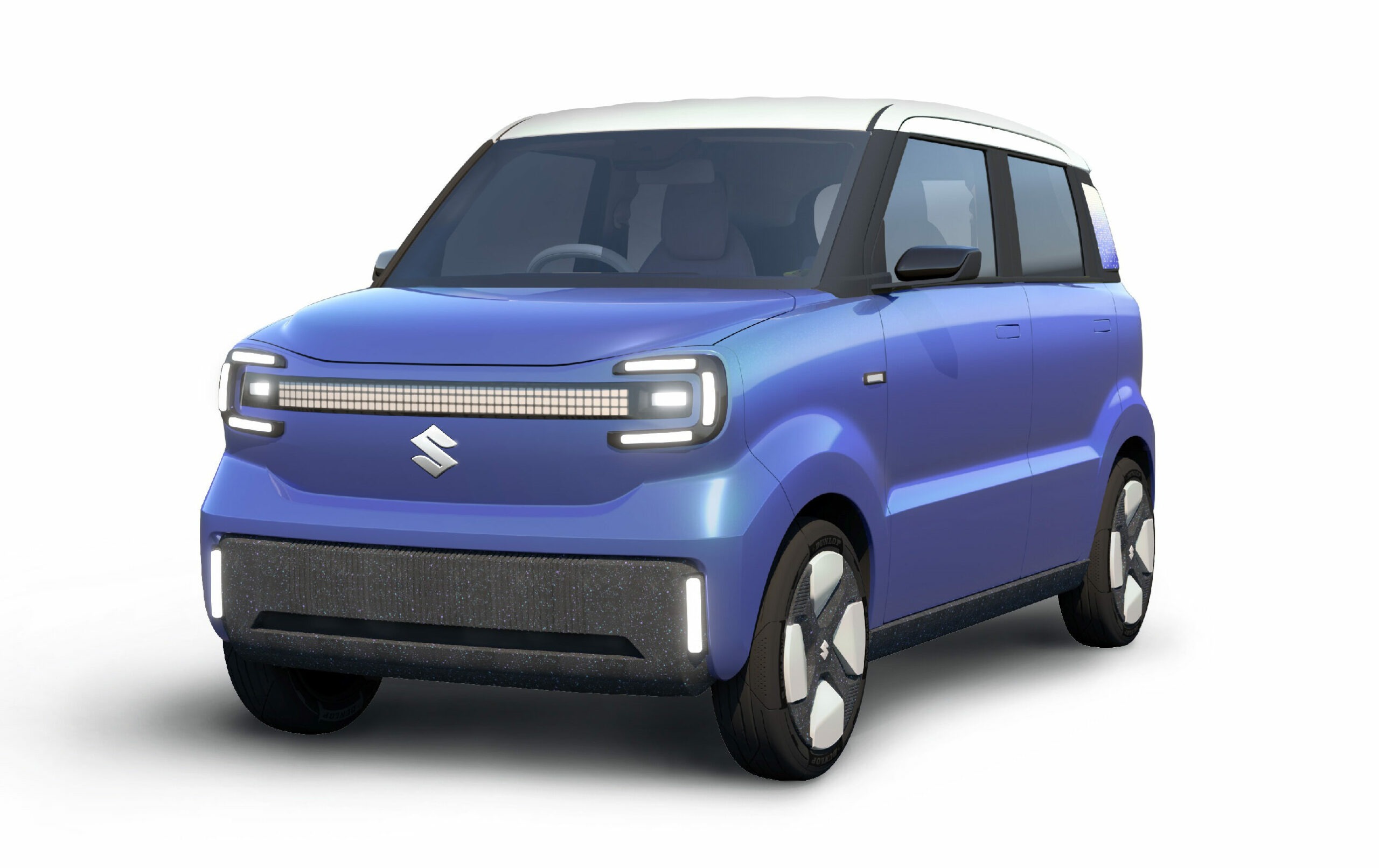
Subaru showed off two concepts, the battery-electric vehicle (BEV) Performance E-STI, and the internal-combustion engine (ICE) powered Performance B-STI. Suzuki presented its Vision e-Sky, a mini BEV, alongside other mobility options.
Autonomous announcements
There was major autonomous news from carmakers and technology companies this week. Stellantis confirmed a collaboration with NVIDIA, Uber and Foxconn. The four companies are planning to develop and deploy SAE Level 4 autonomous vehicles for robotaxi services worldwide.
Nvidia is also working with Lucid to deliver a consumer-owned Level 4 autonomous midsized vehicle. ZF and Horizon Robotics launched a driver assistance system in China, which is capable of going up to SAE Level 3.
BMW announced it has gained approval for its driver-assistance system featured in the iX3, in accordance with UN Regulation No. 171. This regulation covers driver control assistance systems. The carmaker will be able to offer its Motorway Assistant with Level 2 hands-off functionality in other models and countries in the future.
Europe’s EV and sustainability ambitions
Sustainability is an important topic for the automotive sector. However, recent developments may give the impression that the industry’s green transition is slowing down. In May, the European Council confirmed that CO2 emissions targets will become more flexible over a three-year period, instead of just 2025.
Fast-forward to October, and ACEA proposed that the European Commission should ease its rules on cars, vans and trucks. Elsewhere, Stellantis CEO Antonio Filosa called for softer EU emissions rules, according to Reuters.
This was a hot topic at Fleet Europe Days, alongside the 2035 ICE new-car sales ban. ‘No pressure means no movement. What we need to do as policymakers is put enough pressure into the system so that there is movement, and by that I mean innovation, but not so much that people give up saying this is mission impossible,’ stated Philippe Lamberts, member of the European Parliament and co-chair of the European Green Party at the event.
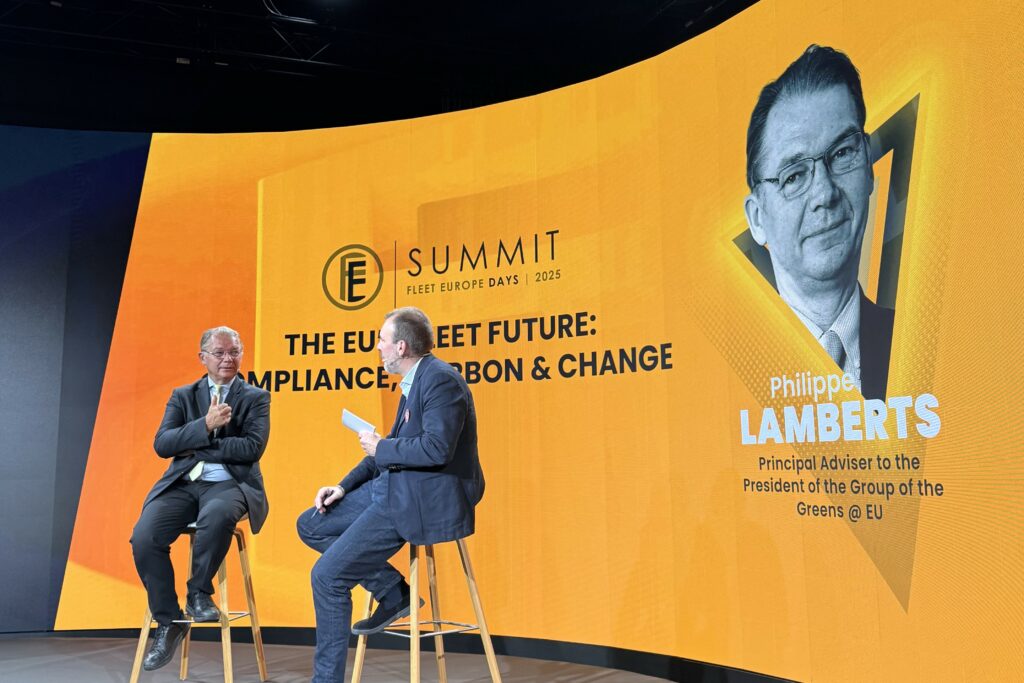
‘If there is one industry that has been overprotected in Europe, it is the car industry. What happens when you give too much protection? It breeds complacency,’ he added.
Can targets be hit?
‘Technologically, it is possible to meet that objective [the 2035 ICE ban] with current technology. The complacency that we have seen for decades has made our industry lose precious decades in innovating,’ Lamberts commented. Meanwhile, many carmakers are slowly stepping back their EV ambitions, including Porsche.
This is despite the BEV share in Europe continuing to rise. EV Volumes forecasts that the technology will account for 18.8% of Europe’s new light-vehicle market in 2025. This includes passenger cars and light-commercial vehicles. BEV registrations in the EU grew by 24.1% year on year from January to September 2025, according to ACEA.
Circularity is key
During Fleet Europe Days, representatives from Kia and Zeekr discussed how they align efficiency, profitability and sustainability in their European strategies. Meanwhile, Polestar and Kinto Mobility revealed how OEMs, leasing, and corporate mobility are translating sustainability pledges into measurable fleet actions.
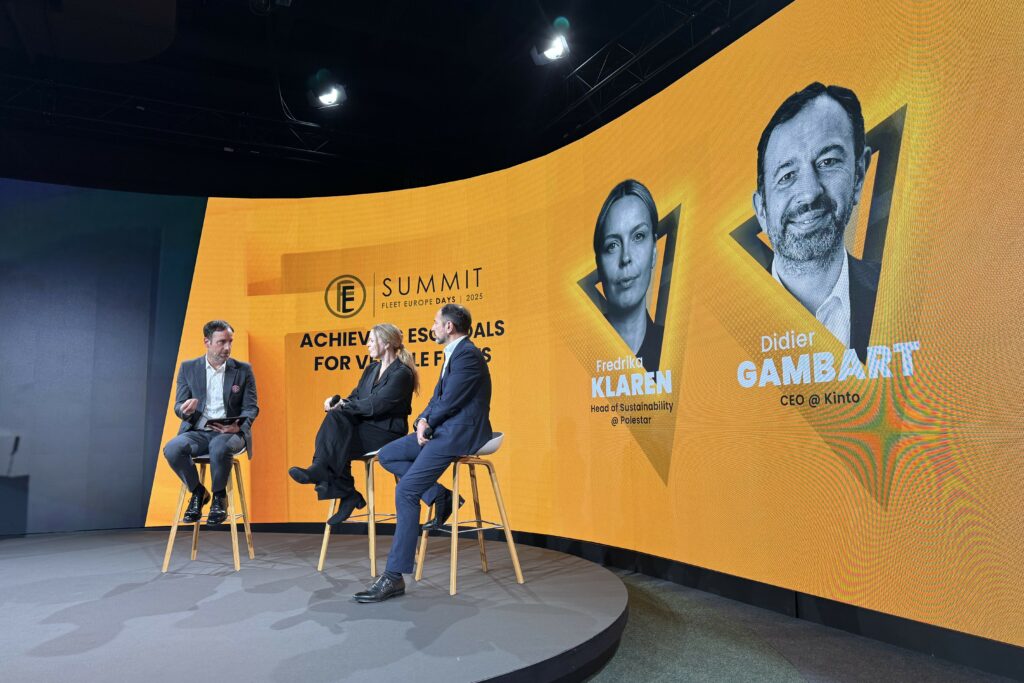
‘Circularity is essentially a driver of all environmental problems, and the solution to that,’ outlined Fredrika Klarén, head of sustainability at Polestar. ‘We did a knockdown study of the Polestar 2, looking into the circularity performance of the car. We saw that to create a 2-tonne car, we generated 57 tonnes of upstream materials. This does not add up. We will not be able to grow our industry in this type of supply chain,’ she concluded.